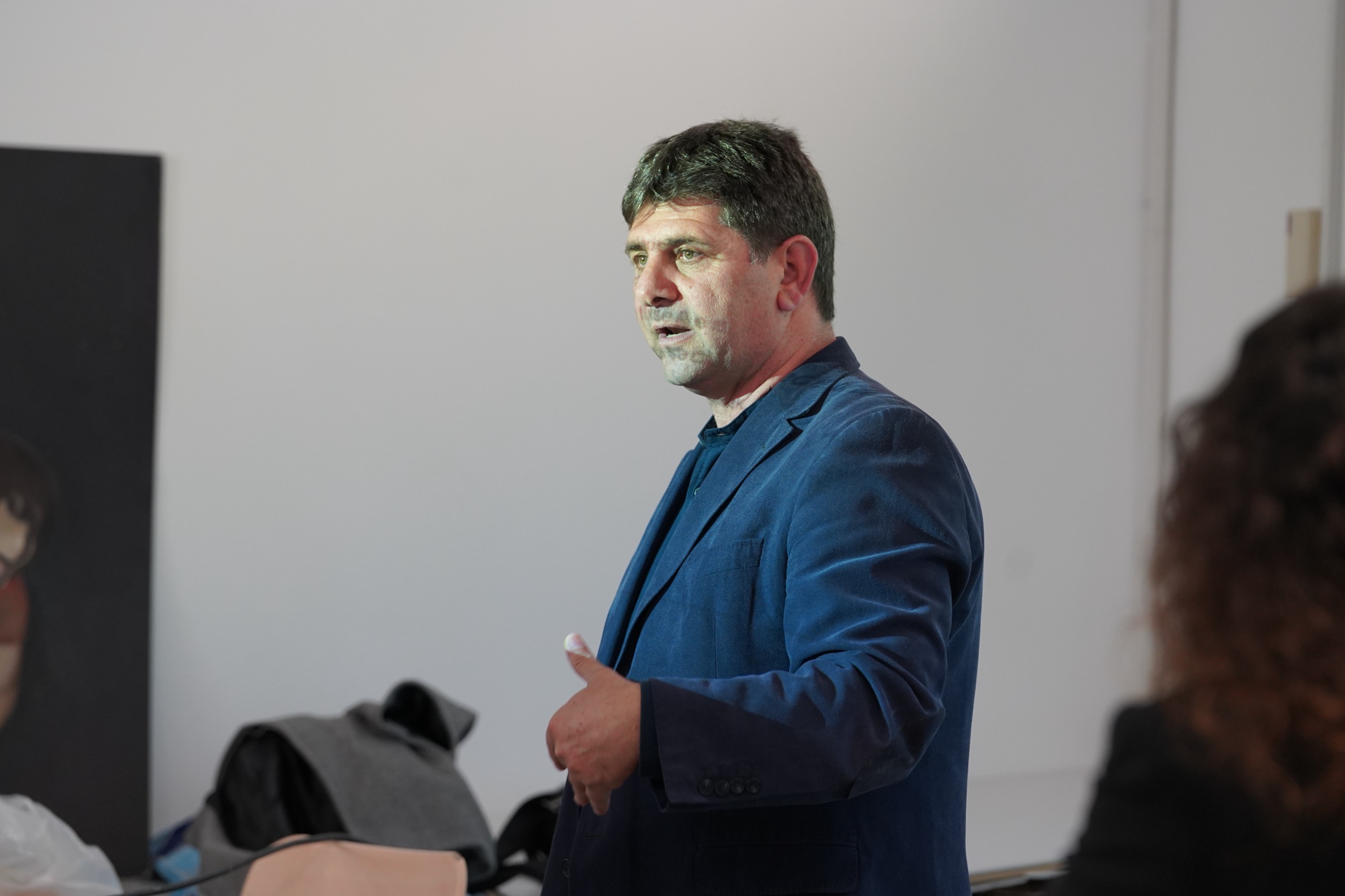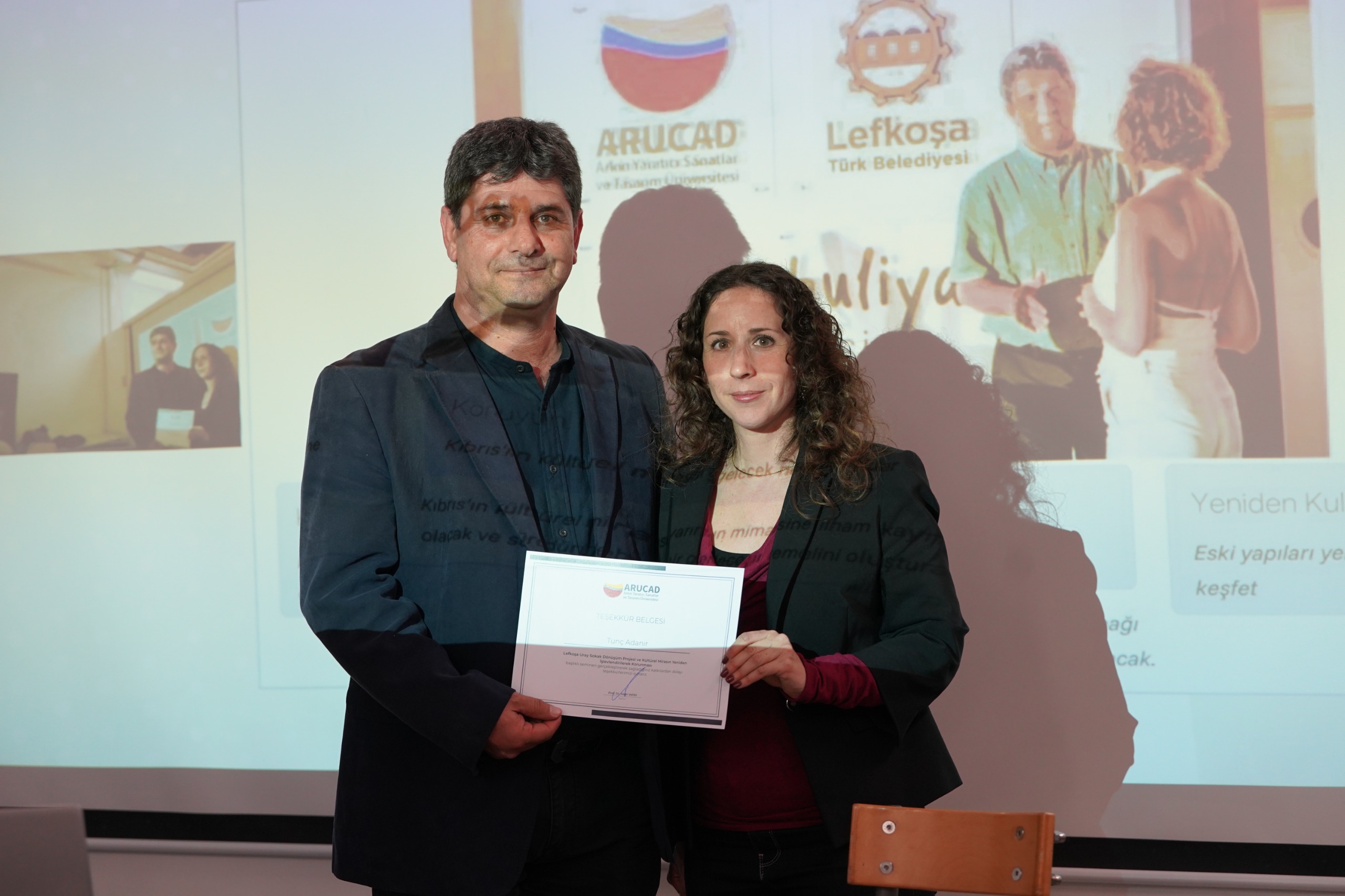

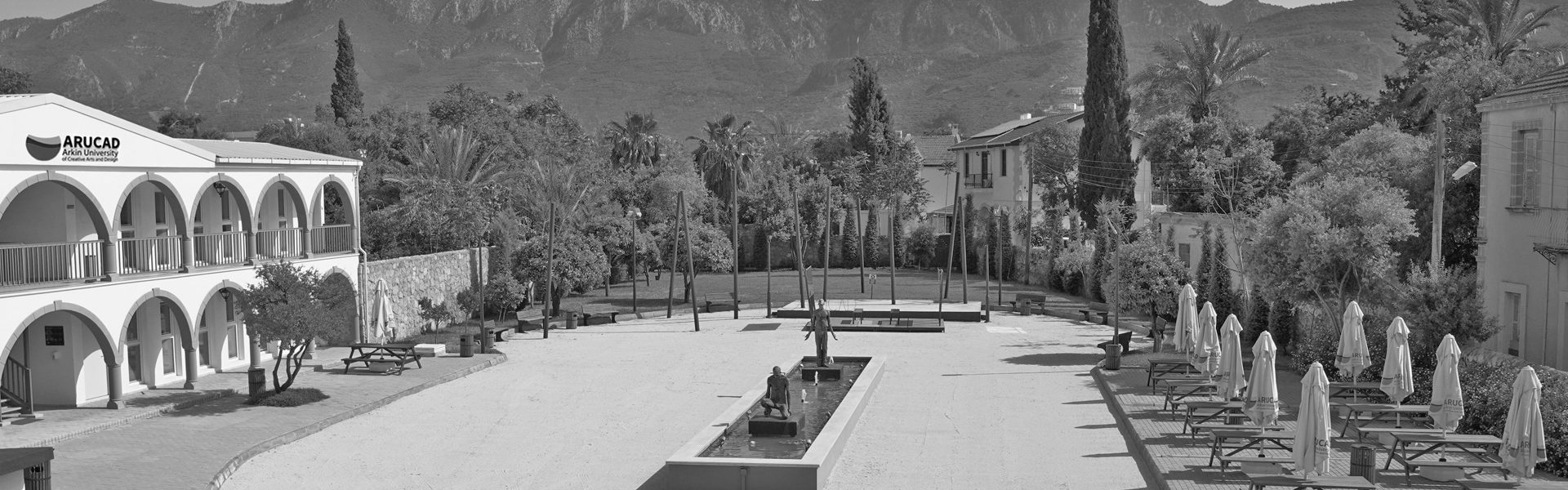
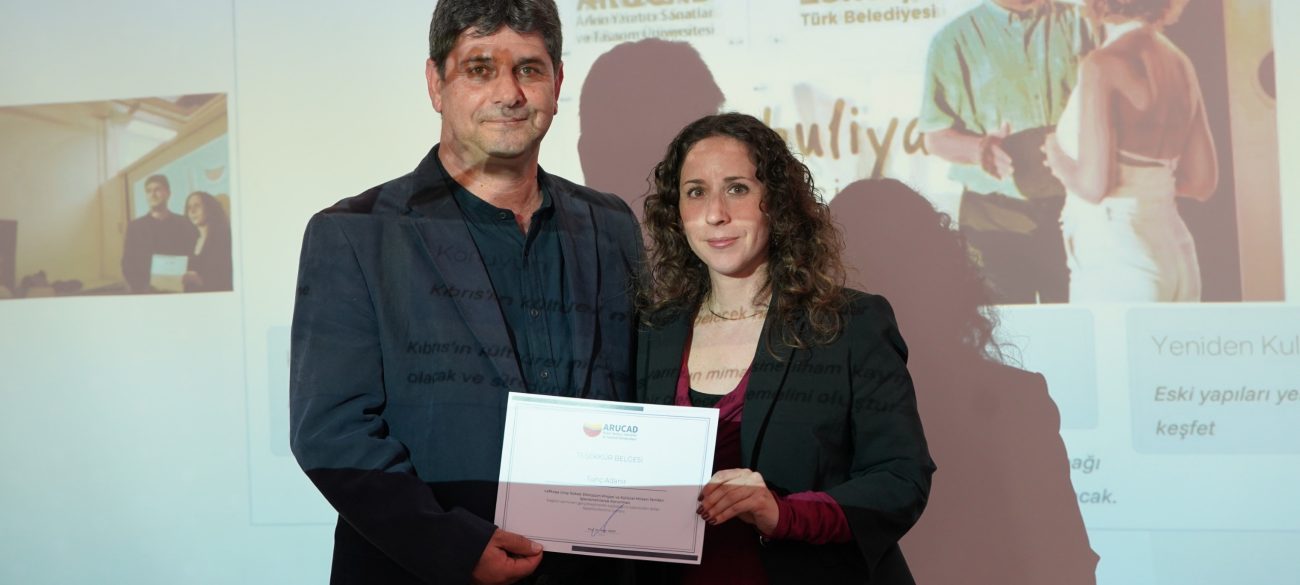
Arkin University of Creative Arts and Design (ARUCAD) hosted a seminar shedding light on an important project in the fields of architecture and urban heritage. Architect Tunç Adanır met with students of ARUCAD’s Department of Interior Architecture and Environmental Design and delivered a seminar titled “The Nicosia Uray Street Transformation Project: Preservation Through Renewal.”
Moderated by Asst. Prof. Dr. Aliye Menteş Yardımcı, a faculty member of ARUCAD’s Faculty of Design, the seminar addressed the urban regeneration process that has been taking place in the Walled City of Nicosia for more than two decades, focusing particularly on the transformation of Uray Street and the Bandabuliya area and the preservation of cultural heritage through adaptive reuse. The transformation project, architecturally designed by Tunç Adanır and realized through the collaboration between ARUCAD and the Nicosia Turkish Municipality (LTB), began with the renovation of the Bandabuliya Stage and continued with the adaptive reuse of the former Wholesale Market Hall, which was transformed into the ARUCAD Faculty of Music and Performing Arts. During the seminar, the architectural approach of this transformation process, the challenges encountered, and its socio-cultural impact at the urban scale were discussed.
In his talk, Adanır emphasized that bringing historic buildings back to life through new functions is not merely an architectural intervention but also a matter of cultural continuity and sustainability. He noted that transforming a building for a new function involves a long and multi-layered process and highlighted that the real success of a project can only be measured by its acceptance and active use by the community.
The seminar also addressed the historical development of Bandabuliya, one of Nicosia’s most significant public spaces. Adanır explained that since the 19th century Bandabuliya had served as an important commercial and social gathering point for the city, and that over time it acquired different functions as a result of urban and social transformations. He emphasized the importance of preserving the architectural and socio-cultural values of such spaces while giving them new functions.
Within the scope of the Uray Street transformation project, Adanır explained that the historic stone structure and character of the building were preserved while integrating new functions into the space. He shared with students the design process behind the transformation of the Bandabuliya building—now home to ARUCAD’s Faculty of Music and Performing Arts—including structural reinforcements, new circulation areas, open and enclosed social spaces, and the integration of cultural facilities into the architectural design.
Adanır also delivered an important message to architecture students: when encountering historic buildings, the first response should not be demolition, but rather understanding the building’s history, the cultural layers it carries, and its potential. He stressed that revitalizing an existing structure through adaptive reuse is one of the most valuable aspects of architectural practice.
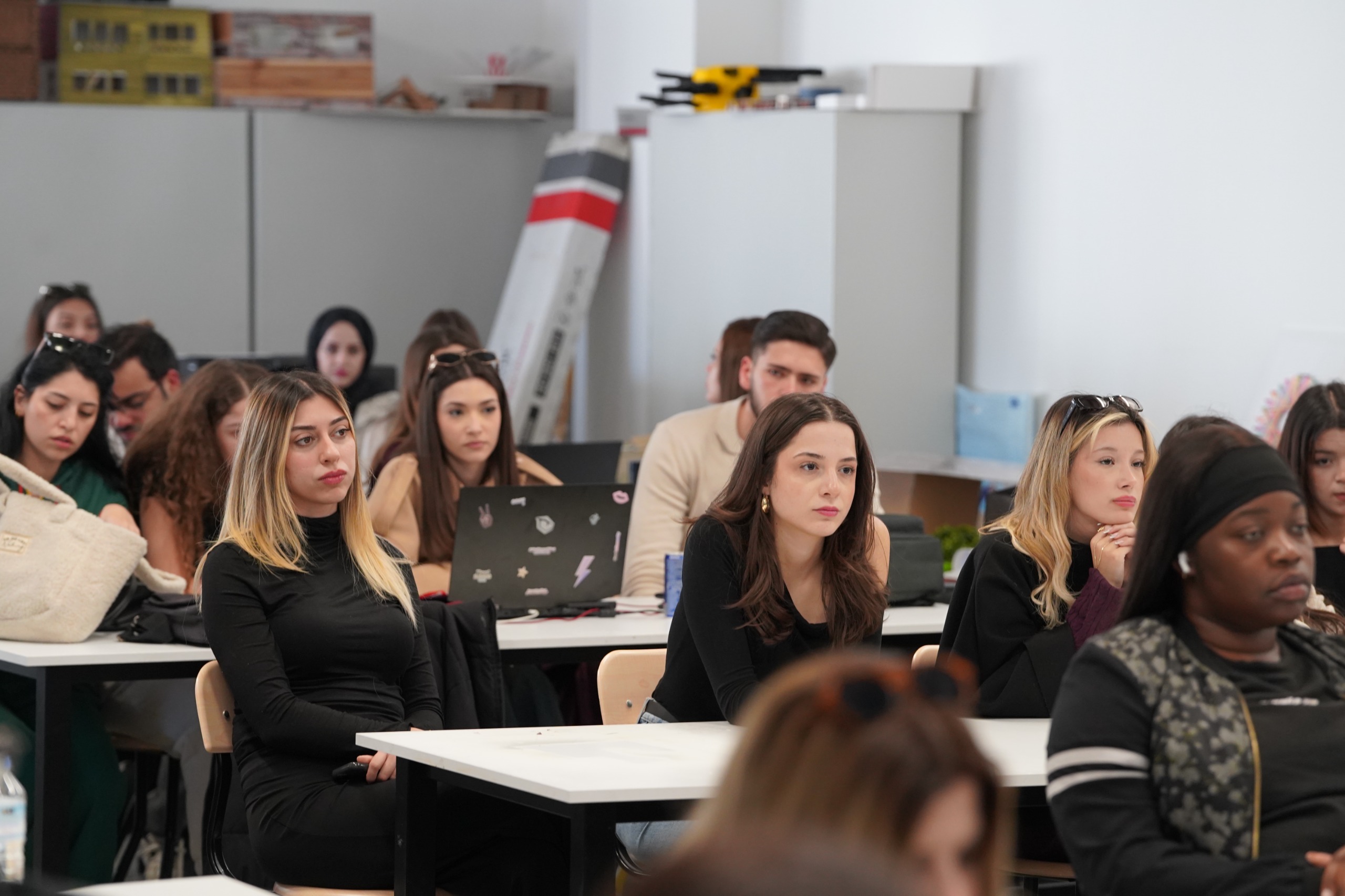
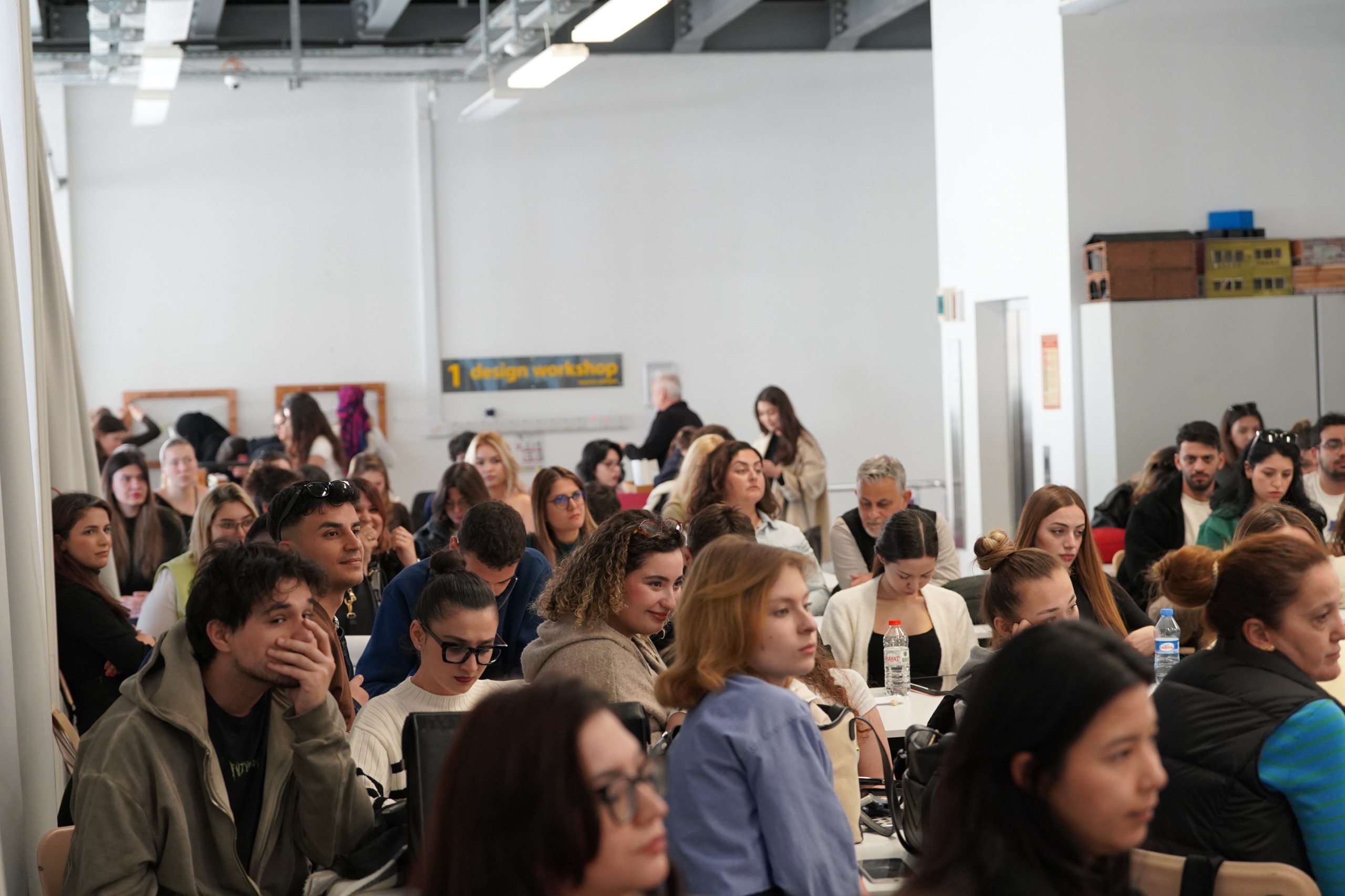
The seminar attracted strong participation from students of ARUCAD’s Faculty of Design, providing an important platform for discussion and knowledge sharing on the preservation and adaptive reuse of the historic urban fabric of Nicosia.