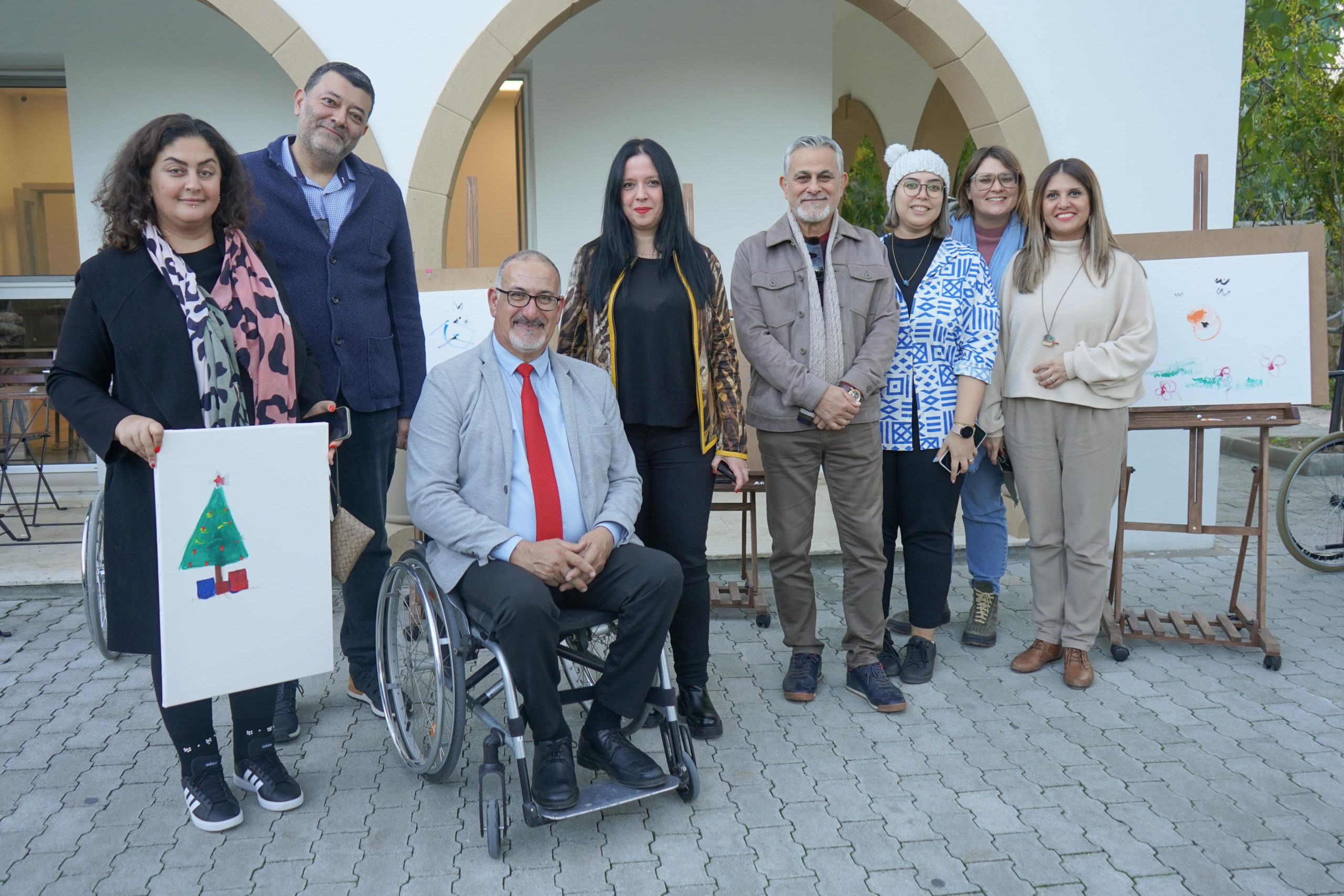


An “Empathy Workshop” organized by the Disabled Students Support Unit and the Quality Club of Arkın Creative Arts and Design University (ARUCAD) was held with the participation of Günay Kibrit, President of the Turkish Cypriot Association for the Orthopedically Disabled. The event aimed to raise awareness of the structural barriers faced by individuals with disabilities in daily life, educational environments, and artistic production processes.
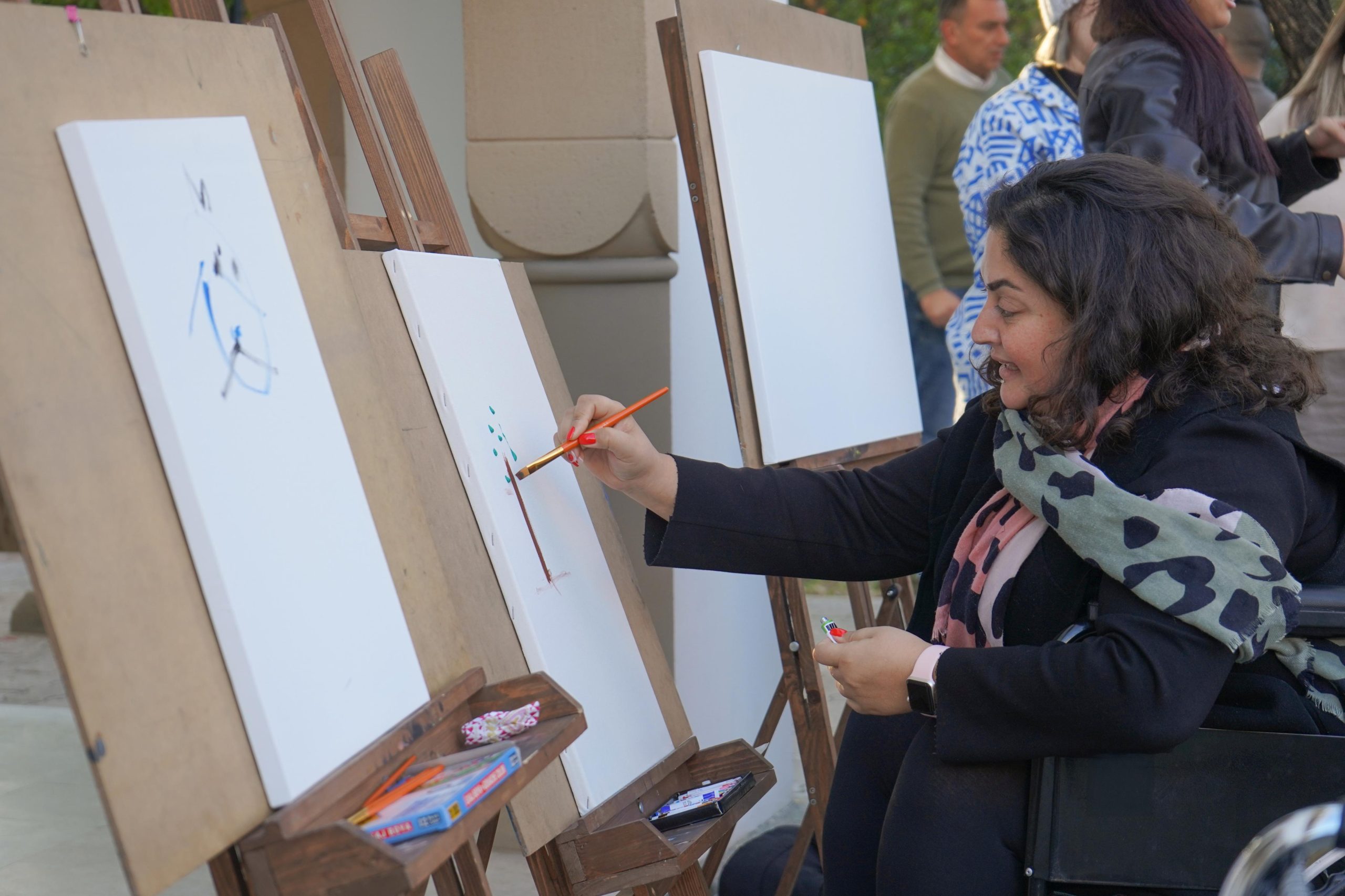
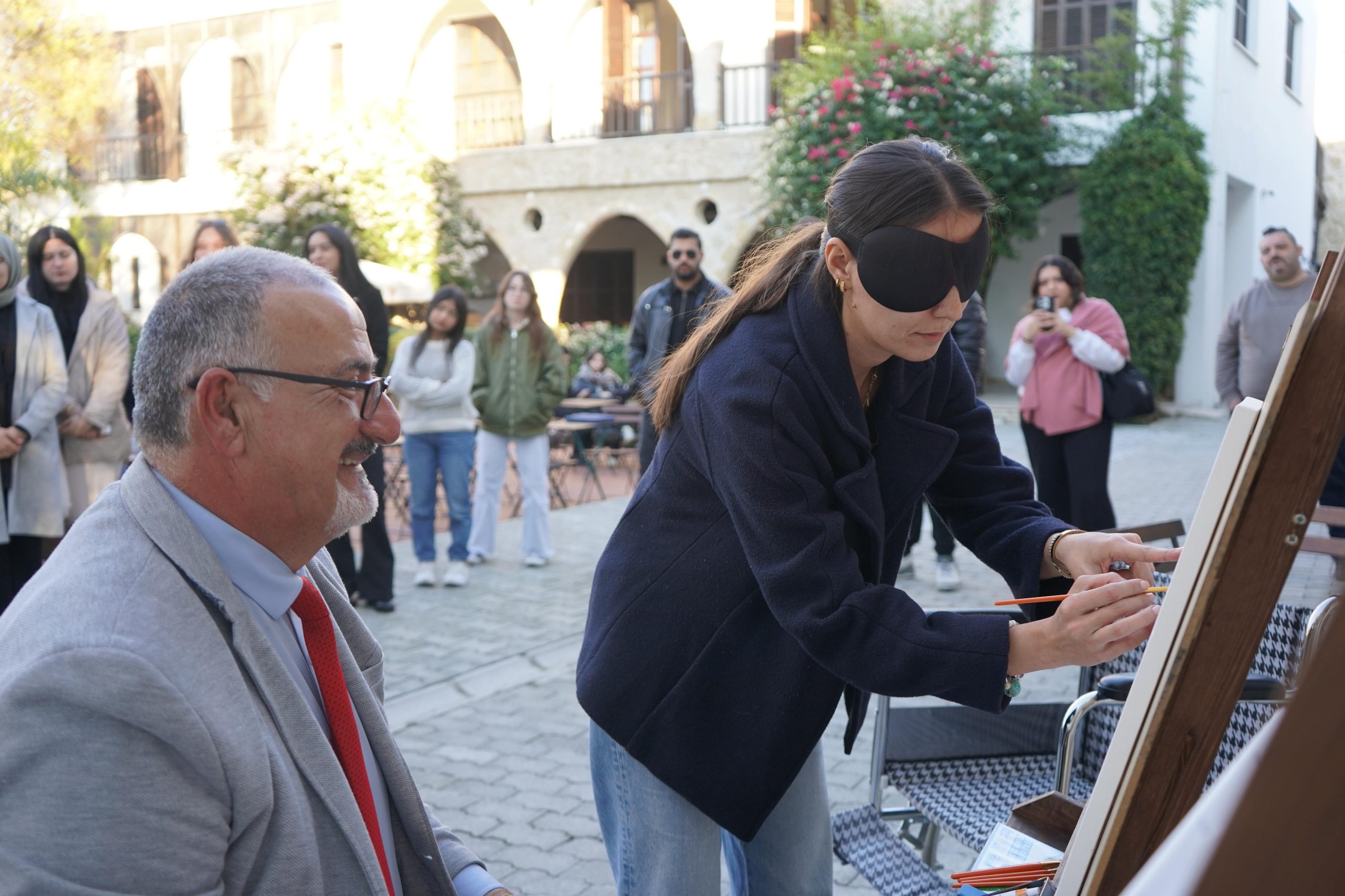
As part of the workshop, students took part in hands-on activities that allowed them to directly experience the physical and spatial challenges encountered by people with disabilities in everyday life. Through scenarios focused on wheelchair use and accessibility, the workshop sought to help participants develop an empathy-based perspective and to grasp the principles of inclusive design through experience.
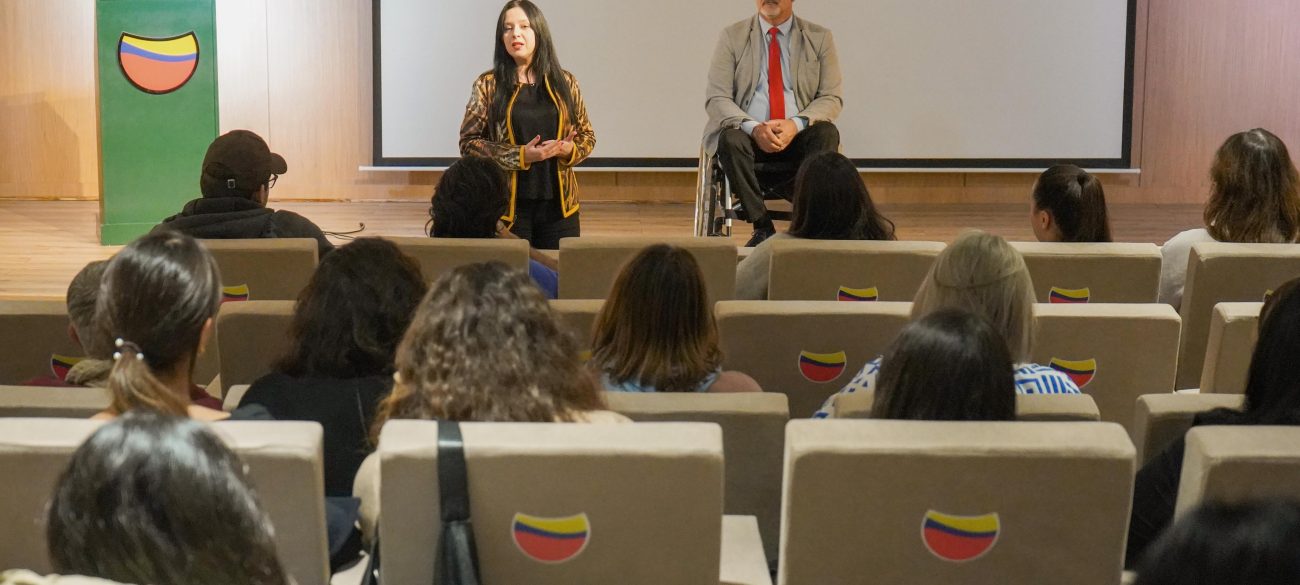
The event began with a talk held at the ARUCAD Conference Hall prior to the workshop. In this session, Günay Kibrit emphasized that people with disabilities are often defined in society by a single “label,” an approach that creates a fundamental issue of rights. He stated that the demands of individuals with disabilities in areas such as education, healthcare, employment, and social life should be addressed not according to their disability status, but on the basis of human rights. “A label is placed in front of us, and society tries to interpret our entire identity through that label. Yet we do not demand our rights because of that label; we demand them because we are human, and we seek equal access to all rights that stem from human rights,” Kibrit said. He also noted that when equal opportunities are provided, individuals with disabilities can produce and contribute just like everyone else.
Continuing his speech, Kibrit underlined that accessibility should not be seen as an act of goodwill, but as a universal standard. He stressed the importance of approaching architecture, design, and public spaces from this perspective. Pointing out that accessible spaces are the fundamental condition for individuals with disabilities to receive education and participate in public life independently, he stated: “Building a ramp is not a favor; it is a necessity. If a space is truly inclusive, a person with a disability is not someone to be pitied, but a visible individual who produces and contributes.”
In her opening remarks, Prof. Dr. Burcu Toker, Vice Rector for Research and Development at ARUCAD, drew attention to the importance of empathy-based approaches in inclusive design and social awareness. Emphasizing that empathy is not only an individual sensitivity but also a core component of innovative design processes and social development, Toker stated that universities have a responsibility to produce solutions that overcome barriers. “The concept of barrier-free design requires an interdisciplinary approach. Research and development activities are strengthened by empathetic thinking that places user experience at the center,” she said. Toker added that the workshop contributed to helping students and academics better understand the experiences of different user groups and to develop innovative ideas in line with universal design principles, highlighting that ARUCAD’s research and development vision focuses on supporting accessible, sustainable projects that create social benefit.
The Empathy Workshop provided a space for awareness, enabling students to approach disability not merely as a theoretical concept, but through its social, spatial, and experiential dimensions.