

ARUCAD English Preparatory School Conference – Every Voice Matters

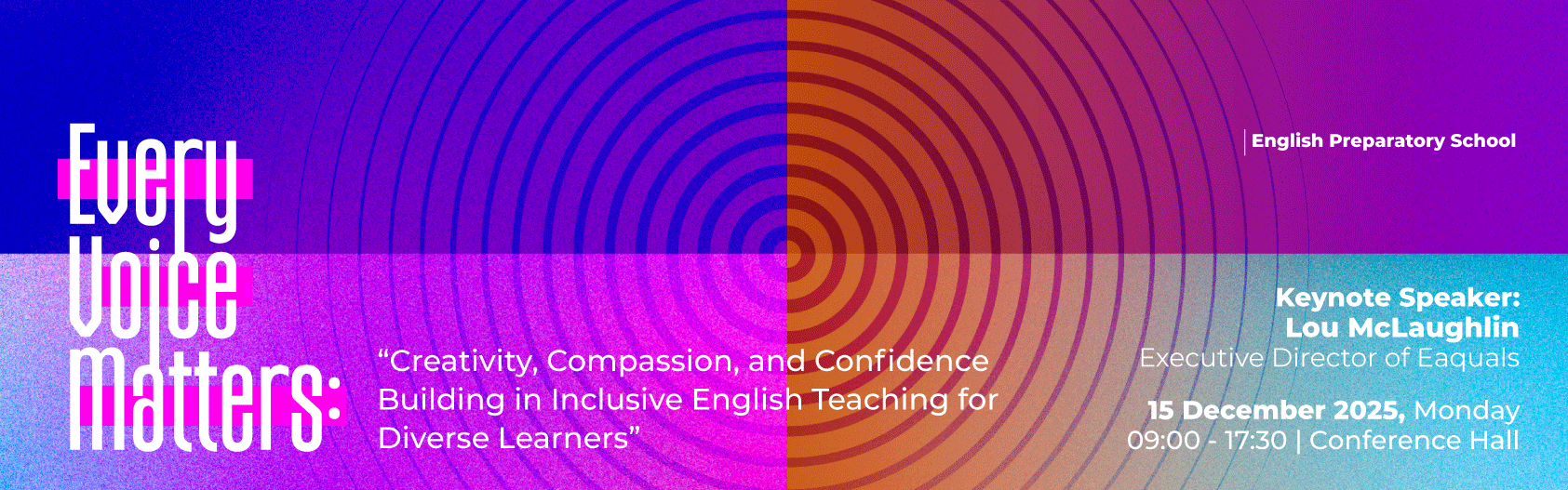
Every Voice Matters: Creativity, Compassion, and Confidence Building in Inclusive English Teaching for Diverse Learners

Every Voice Matters seeks to celebrate and promote inclusive excellence in English language education. Rooted in the belief that every student is unique and every voice holds value, the conference recognizes the rich diversity of today’s classrooms — where learners bring with them distinct abilities, experiences, and perspectives.

The goal of the conference is to empower educators to cultivate learning environments that are not only supportive and inspiring, but also equitable and transformative. By embracing creativity, compassion, and confidence as guiding principles, we aim to nurture a culture of innovation, empathy, and resilience — one that enables both teachers and learners to flourish, and where every individual is truly seen, heard, and valued.

Every Voice Matters is more than a conference—it is an opportunity to strengthen inclusive teaching practices and celebrate the diversity of learners and educators. It aims to create a meaningful, impactful, and inspiring experience that will resonate far beyond the day of the event.

İnanç Uçaröz

İnanç Uçaröz is a dedicated and accomplished English language educator with over 23 years of teaching experience and a distinguished record of leadership in higher education. She currently serves as the Director of the English Preparatory School at ARUCAD University, where she leads initiatives focused on academic excellence, innovation in language education, and continuous professional development. A graduate of Eastern Mediterranean University with a Bachelor’s degree in English Language and Literature, she began her academic career at Near East University, where she taught for two decades and contributed extensively to curriculum design, assessment development, and teacher mentoring. Her leadership journey includes roles as Speaking Coordinator, Curriculum and Testing Unit Coordinator, and Vice Director before assuming directorial responsibilities at ARUCAD University. Ms. Uçaröz has successfully led major institutional quality assurance and accreditation processes, ensuring the continuous enhancement of academic and administrative standards. Her strategic leadership emphasizes sustainable growth, staff development, and educational quality, contributing significantly to institutional advancement and student success.

Sena Tanta Günaydın

Sena Tanta Gülaydın is an Instructor at ARUCAD University. She earned her B.A. degree in English Language Teaching from Cyprus International University, where she also completed her M.A. degree in the same field. She began her academic career as a Research Assistant at Cyprus International University, gaining valuable experience in language education and academic research. Between 2021 and 2024, she taught English at the Preparatory School of Final International University, where she also worked in the Testing Unit and served as the A2 level organiser. She is currently working at ARUCAD University, where she teaches English. In addition to her teaching responsibilities, she is an active member of the Testing Unit, contributing to the preparation and evaluation of language assessments
Ahu Neşe Güven Uludağ

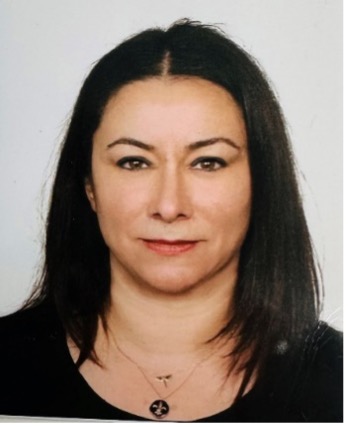
Dr.Ahu Neşe Güven Uludağ is currently an instructor at the School of Foreign Languages in ARUCAD. She had her BA degree in English Language and Literature from Cumhuriyet University, her MA in English Language and Literature with a thesis on “Shakespeare’s use of Language”; and had PhD degree in History of Art from Hacettepe University. She has 26 years of teaching experience in higher education. She worked as a lecturer in Cumhuriyet University, gave courses both in Prep School and in Faculty of Letters; gave vocational English courses for many departments. She gave online speeches on Art History and Orientalism areas after studying Art History

Ülkü Sim Umut

Ülkü Sim Umut is a Senior Instructor at ARUCAD-Arkın University where she teaches English Language at the English Preparatory School. She is an educator with over seven years of experience in teaching and educational support across international contexts, including Cyprus, Germany, and the Netherlands. Most recently, she worked as an English Teacher and a Manager at TISA in Leiden, Netherlands, where she focused on building inclusive learning environments and enhancing communication between families, students and schools. She holds a Bachelor’s Degree in English Language Education from Near East University and a Foundation Degree in Art and Design from the University for the Creative Arts in the United Kingdom.
Benjamin Bailie

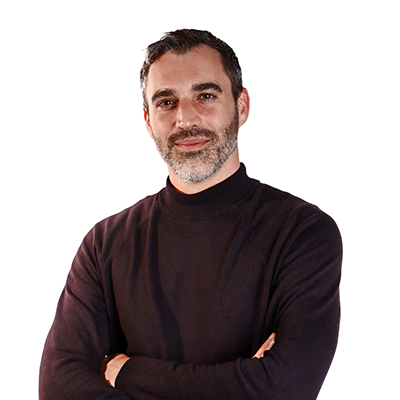
Benjamin Bailie is a Senior Instructor at ARUCAD – Arkin University, where he teaches Academic English in the English Preparatory School. He holds a TEFL certificate, an MA in Communication and Media Studies, and a Bachelor’s degree in Music. His teaching experience includes IELTS and Cambridge English preparation, academic writing, and general English courses at various CEFR levels. He previously worked in journalism as a sub-editor and reporter, and also provides online instruction through online platforms.
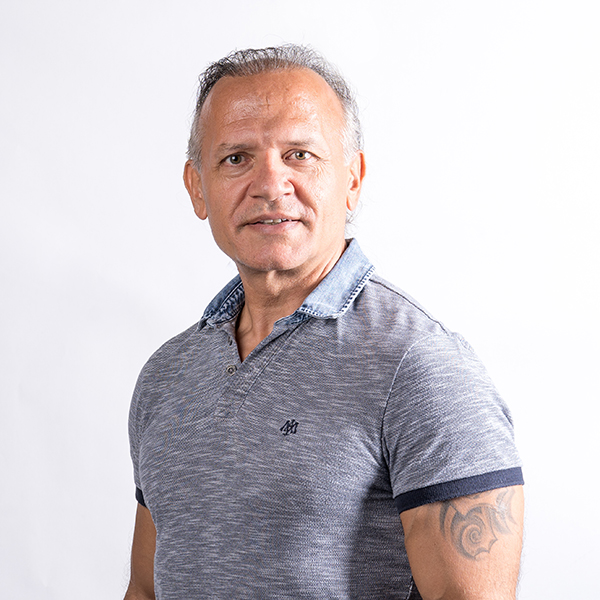
Arif Celal Sözer

After graduating from Yükseliş Private High School in Ankara, Arif Celal Sözer continued his studies at Hacettepe University Faculty of Fine Arts, Graphic Design department. Afterwards, he studied philology at Ankara University, Faculty of Language and History-Geography and graduated in 2000. Throughout his first business experiences in the field of import-export in Turkey, he made international correspondence, organization and English – Turkish translations. During those times he also worked as a translator in coordination with translation offices. After his teaching experience in a private English course, he broadened his teaching practice skills with the most contemporary methods through an intensified English teachers’ training program in American Culture UK which provided him with the international TESOL English teaching certificate accredited by Harvard. He worked as a supervisor in IELTS exam programmes at the British Council for four years. He taught English in private English courses, and four different private schools in Ankara until 2023. He joined ARUCAD family by the beginning of 2023 – 2024 academic year.
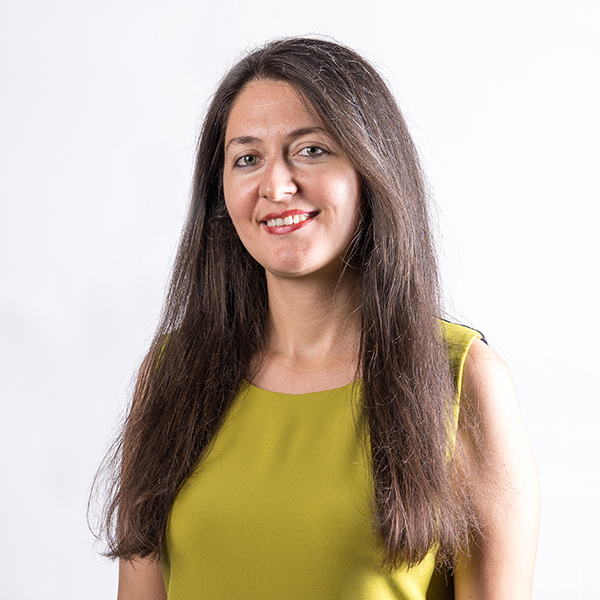
Özge Güzeltepe Gönç

Özge Güzeltepe Gönç graduated from the English Language Teaching Department of Girne American University in 2011 as the top student of her faculty. She completed her M.A. in English Language Teaching at the same university in 2015. She worked as a lecturer at Girne American University in 2013 and later taught English in well-known private institutions such as TED and Bahçeşehir Colleges. In 2020, she successfully completed the “Launching Innovation in Schools’’ program offered by the Massachusetts Institute of Technology (MIT). Since 2023, she has been working as a lecturer in the English Preparatory School at Arkın University of Creative Arts and Design.

Asu Uzbaşlı

She studied English Language and Literature at Hacettepe University in Ankara and got her Teaching Certificate from 9 Eylül University in 1998. Since then, she has been teaching in private sector including various colleges and language schools consisting different age groups. She joined Arucad family in 2025.
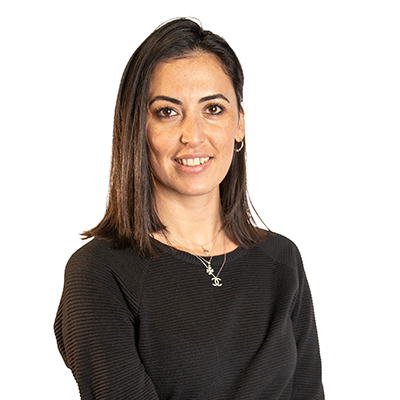
Yasemin Kılıç

Yasemin Kılıç is an English teacher with 12 years of experience teaching students across a wide range of ages, proficiency levels, and cultural contexts. Her work centers on building inclusive learning environments where all learners feel supported and motivated to develop their language skills. She is passionate about fostering global awareness through language education and helping students connect English learning to meaningful real-world experiences.
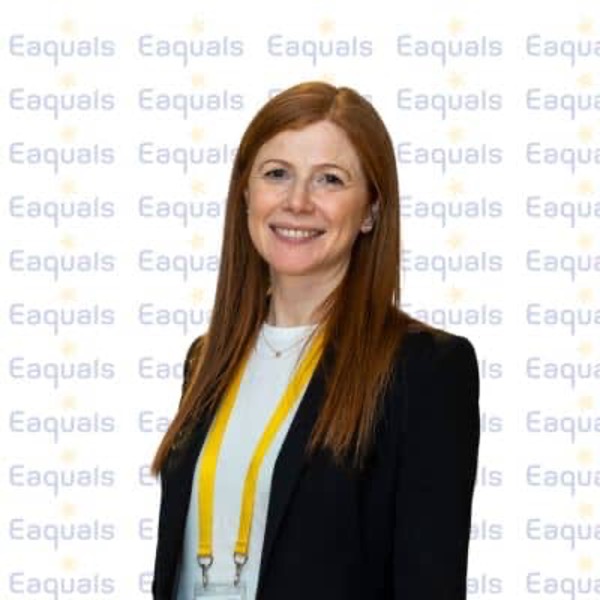
Lou McLaughlin

Lou is the Executive Director of Eaquals (Evaluation & Accreditation of Quality Language Services). She is the Founder Chair of ELT Ireland and served on the IATEFL Board of Trustees for 6 years until 2021. Lou holds a PhD in Applied Linguistics, Masters in ELT, DELTA, TESOL Cert. in Leadership & Management and Trinity TESOL Cert. Lou was the co-editor of Children Learning English: From Research to Practice (2015).

Steve O’Farrell

Steve O’Farrell has been in education for over 25 years and has been training teachers for more than 15 of these years. He now travels around Turkey and abroad, training for Pearson Education. A passionate and energetic presenter, his humorous sessions strive to impart valuable concepts and vision.

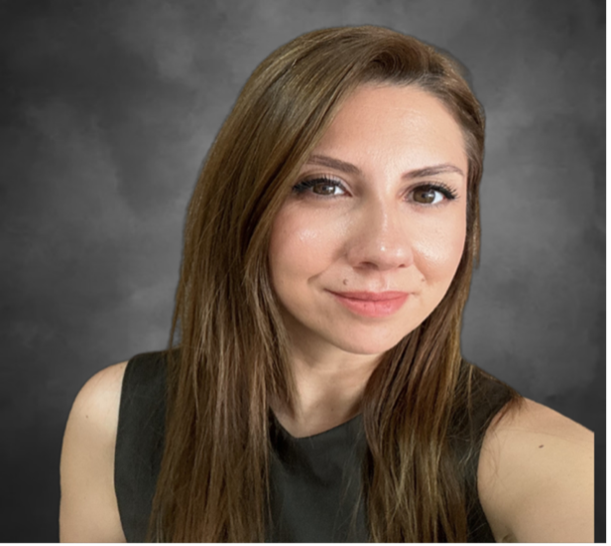
Duygu Ozler

Duygu Ozler has been in the ELT world for over 20 years. She has a BA in American Culture and Literature and an MA in English Language Teaching. She holds an ICELT, DELTA, Teacher Training Certificate (Sabancı University) and Trainer Training Certificate (Anatolian Training Institute). She has worked at various institutions ranging from elementary schools to universities in different parts of Turkey, as a teacher, an administrator and a trainer. She is one of the founding members of TESOL Turkey. Her research interests include teacher research, in-service teacher education, critical thinking in education and testing and assessment. Currently, she is working as a Teacher Trainer and Marketing manager for Macmillan Education, Western Europe.

Ahu Neşe Güven Uludağ

Dr.Ahu Neşe Güven Uludağ is currently an instructor at the School of Foreign Languages in ARUCAD. She had her BA degree in English Language and Literature from Cumhuriyet University, her MA in English Language and Literature with a thesis on “Shakespeare’s use of Language”; and had PhD degree in History of Art from Hacettepe University. She has 26 years of teaching experience in higher education. She worked as a lecturer in Cumhuriyet University, gave courses both in Prep School and in Faculty of Letters; gave vocational English courses for many departments. She gave online speeches on Art History and Orientalism areas after studying Art History

Benjamin Bailie

Benjamin Bailie is a Senior Instructor at ARUCAD – Arkin University, where he teaches Academic English in the English Preparatory School. He holds a TEFL certificate, an MA in Communication and Media Studies, and a Bachelor’s degree in Music. His teaching experience includes IELTS and Cambridge English preparation, academic writing, and general English courses at various CEFR levels. He previously worked in journalism as a sub-editor and reporter, and also provides online instruction through online platforms.

Arif Celal Sözer

After graduating from Yükseliş Private High School in Ankara, Arif Celal Sözer continued his studies at Hacettepe University Faculty of Fine Arts, Graphic Design department. Afterwards, he studied philology at Ankara University, Faculty of Language and History-Geography and graduated in 2000. Throughout his first business experiences in the field of import-export in Turkey, he made international correspondence, organization and English – Turkish translations. During those times he also worked as a translator in coordination with translation offices. After his teaching experience in a private English course, he broadened his teaching practice skills with the most contemporary methods through an intensified English teachers’ training program in American Culture UK which provided him with the international TESOL English teaching certificate accredited by Harvard. He worked as a supervisor in IELTS exam programmes at the British Council for four years. He taught English in private English courses, and four different private schools in Ankara until 2023. He joined ARUCAD family by the beginning of 2023 – 2024 academic year.

09:00-09:45REGISTRATION
TIMEOPENING SPEECHESSPEAKERS VENUE
10:00-10:15Speech by the Director of the English Preparatory SchoolSen. Ins. İnanç UçarözConference Hall
10:15-10:30 Speech by the Vice Rector – Research and DevelopmentProf. Dr. Burcu TokerConference Hall
10:30-11:30Keynote Speech by the Executive Director of EAQUALS            Lou McLaughlinConference Hall
11:30-12:30Speech by Senior Learning ConsultantStephen O’Farrell                                      Are You Hearing This? – Hearing ImpairedConference Hall
12:30-14:00Lunch
AFTERNOON SESSIONS / PARALLEL SESSIONS
TIMESESSIONSPRESENTERSVENUEPRESENTATION TYPEMODERATORS
14:00-14:40Session 1Sen. Ins. Duygu ÖzlerCONFERENCE HALLPresentationSen. Ins. Özge Güzeltepe
Mediation: What? Why? And How Can I Teach It?
Session 2Sen. Ins. Salih Matthew NedesemTKCLA02PresentationSen. Ins. Yasemin Kılıç
Digital Voices: How Social Media Shapes Language, Identity, and Inclusion in the English Classroom
Session 3Ins. Çağla Tokyay İcilTKCLA01WorkshopSen. Ins. Asu Uzbaşlı
Strengthening Teacher Beliefs in Inclusive Pedagogy
Session 4Valeriya RimerDACLA01Presentation 
Neuroscience-Driven Language Teaching: Building Confidence and Creativity Through Brain-Based LearningSen. Ins. Ülkü Sim Umut
14:40-15:00Coffee Break
15:00-15:40Session 1Asst. Prof. Dr. Aman RassouliEVCLA02WorkshopDr. Ahu Neşe Güven Uludağ
Empowering Teachers, Empowering Learners: Professional Development as the Foundation of Inclusive and Compassionate English Teaching
Session 2Ins. Ayse KalyonTKCLA01PresentationSen. Ins. Asu Uzbaşlı
Vygotsky For Better Reading
Session 3Sen. Ins. Eda AşılmazCONFERENCE HALLPresentationSen. Ins. Özge Güzeltepe
Inclusive Pedagogies in ELT: Bridging Worlds with Language , Identity and Empathy
Session 4Sen. Ins. Arif Celal SözerTKCLA02PresentationSen. Ins. Ülkü Sim Umut
Music; Not Just An Entertainment
Session 5Sen. Ins. Benjamin BailieDACLA01PresentationSen. Ins. Yasemin Kılıç
 Conflict in the Classroom: How Do You Cope?
15:50-16:30Session 1Asst. Prof. Dr. Aida AriannejadTKCLA02PresentationSen. Ins. Asu Uzbaşlı
Do borders matter? Re-examining EFL Academic Achievement through the Lens of Self-EfficacyIns. Nilufar Vafadar Esfahan
Session 2Ins. Çayan ErhalaçEVCLA02PresentationSen. Ins. Benjamin Bailie
From Silence to Confidence: Encouraging Student Voice in EFL Classrooms
Session 3Asst. Prof. Aysegul SalliTKCLA01WorkshopSen. Ins. Özge Güzeltepe
Building Confidence Through Compassion: Giving Every Learner a Voice
Session 4Dr. Ahu Neşe Güven UludağDACLA01PresentationSen. Ins. Ülkü Sim Umut
 Colouring Communication:
Teaching Language Through Art
16:30-17:00Closing Ceremony & Certificate Distribution

Abstracts

  1. Sen. Ins. Duygu Özler

Mediation: What? Why? And how can I teach it?           

Expect to hear the word ‘mediation’ a lot in the near future. The CEFR has added descriptors for this area of communication. So teachers need to know what it is, why it matters and how you can teach it. Or maybe you already teach the skills needed without knowing it. By the end of this talk you should have a clear idea of what mediation is and how it reflects real-life communication. With examples from Macmillan’s Education’’ general English course, Language Hub, we will look at a range of activities – some familiar, some new – that you can use to develop the mediation skills of your own students.

  1. Asst. Prof. Dr. Aman Rassouli

Empowering Teachers, Empowering Learners: Professional Development as the Foundation of Inclusive and Compassionate English Teaching

In inclusive English language classrooms, the diversity of learners’ needs, experiences, and linguistic profiles requires teachers to be adaptable, reflective, and continuously evolving in their practice. This presentation argues that meaningful professional development (PD) is not an optional enhancement but the essential foundation for ensuring that every voice truly matters. When teachers regularly engage in structured, purposeful growth, they become better equipped to integrate creativity, cultivate compassion, and build learners’ confidence — the core pillars of the conference theme.
Drawing on current research and practical examples, the session will explore how ongoing PD enhances teachers’ ability to design equitable learning experiences, respond to diverse learner identities, and implement inclusive pedagogical strategies. Special attention will be given to how reflective practice, digital literacy, intercultural competence, and awareness of learner psychology contribute to more supportive and transformative classroom environments.
The presentation will also address the challenges teachers face — such as heavy workload, limited institutional support, and resistance to change — and propose realistic, sustainable models of PD that empower educators rather than overwhelm them. These include micro-learning communities, peer observation cycles, AI-supported reflection tools, and teacher-led action research.
Ultimately, this session advocates for a culture where teacher growth is valued as a continuous journey. By investing in their own development, teachers cultivate classrooms where all students feel seen, heard, and valued — enabling both educators and learners to flourish together.


  1. Ins. Ayse Kalyon

VYGOTSKY FOR BETTER READING

This presentation explores the impact of sociocultural theory and how it can support the teaching of top-down processing in L2 reading lessons. Teachers can encourage learners to use their background knowledge and schemata to develop their understanding in L2 reading. Although many reading lessons depend on bottom-up decoding, it is possible to change them to top-down processing. Learners can be encouraged to use pre-reading discussion questions, visuals, guided questions and vocabulary presentation. The session also highlights common challenges, including limited background knowledge or misunderstandings caused by incorrect schemata. Useful strategies based on Vygotskyan principles will be shared to help teachers create more interactive and supportive reading lessons. By the end of the session, participants will leave with practical and adaptable ideas for combining top-down and bottom-up processing to help learners engage more meaningfully with L2 texts.


  1. Asst. Prof. Dr. Aida Ariannejad & Ins. Nilufar Vafadar Esfahan

Do borders matter? Re-examining EFL Academic Achievement through the Lens of Self-Efficacy

For many students, especially those who learn English as a foreign language (EFL), studying abroad can be both challenging and interesting. This usually entails dealing with communication obstacles, adjusting to a new set of social and cultural practices and combining all this to meet academic expectations.

In such conditions, self-efficacy plays an important role in successful adjustment to the new environment and their academic achievement. Self-efficacy seems to be a critical factor in academic success, as it impacts motivation, perseverance, and resilience in the face of challenges. Students’ self-efficacy, their confidence in their ability to reach their goals under particular circumstances, can be significantly impacted by their study abroad experience. In the current presentation, we aim to examine the concept of self-efficacy in depth, outline its major types, and highlight key issues related to its development and measurement among EFL learners, with particular attention to the unique demands of study-abroad contexts.

  1. Sen. Ins. Eda Aşılmaz

Inclusive Pedagogies in ELT: Bridging Worlds with Language, Identity and Empathy

In inclusive English language classrooms, what we say—and how we relate—matters. This interactive session explores how thoughtful teacher language, learner identity, and empathetic communication intersect to create a sense of belonging and inclusion. Drawing on practical strategies and classroom examples, the session unpacks three key pillars of inclusive pedagogy: (1) inclusive classroom language that affirms and uplifts, (2) teaching practices that honor student identity and home languages, and (3) empathy-driven communication that strengthens trust and learner engagement. Participants will reflect on their own teaching, share ideas, and leave with actionable tools to create emotionally safe and linguistically empowering classrooms.

KEY MESSAGES

  • Teacher language has emotional weight: the way we give instructions, praise, or correct can either include or exclude.
  • Acknowledging and affirming students’ identities—linguistic, cultural, personal—builds deeper engagement.
  • Empathy isn’t just a feeling; it’s a teachable, practical skill that supports academic and emotional inclusion.
  1. Ins. Baran Nazemi

Creating an Inclusive and Diverse Learning Environment

Creating an inclusive and diverse learning environment is essential for supporting learners with different linguistic, cultural, and educational backgrounds. This presentation explores practical strategies for fostering inclusivity in English language classrooms, focusing on empathy, learner-centered teaching, and CEFR-informed mediation practices. By integrating collaborative tasks, culturally responsive materials, and confidence-building activities, teachers can create spaces where every learner feels valued, heard, and supported. The session will highlight how inclusive approaches not only enhance language development but also empower students’ identities and emotional well-being. Examples from real classroom experiences in multilingual contexts—such as those in Northern Cyprus—will demonstrate how diversity can become a resource rather than a challenge. The presentation aims to provide teachers with actionable techniques to promote equality, participation, and meaningful communication among all learners.

  1. Ins. Çayan Erhalach

From Silence to Confidence: Encouraging Student Voice in EFL Classrooms

In many EFL classrooms, silence is often misunderstood as a lack of interest, ability, or motivation. However, behind that silence there may be anxiety, fear of making mistakes, low self-confidence, or negative past learning experiences. This presentation explores the journey from silence to confidence and focuses on how language teachers can create a safe, supportive, and inclusive environment where every student feels seen, heard, and valued.

Drawing on classroom experience in an English preparatory program, the session will examine the affective factors that prevent students from using their voices in class and connect these challenges to key theories such as Krashen’s Affective Filter Hypothesis. Practical strategies will be shared to help reduce learners’ anxiety and encourage active participation, including low-risk speaking tasks, peer collaboration, anonymous participation tools, positive error treatment, and the use of digital platforms such as Padlet and Mentimeter.

Participants will be invited to reflect on their own classroom practices and explore ways to shift from a teacher-centered environment to a student-centered space where communication, empathy, and psychological safety are prioritized. By recognizing silence not as a weakness but as a starting point, teachers can empower learners to build confidence, find their voices, and take ownership of their language learning journey. Ultimately, this presentation highlights the belief that in every classroom, every voice truly matters.

  1. Valeriya Rimer

Neuroscience-Driven Language Teaching: Building Confidence and Creativity Through Brain-Based Learning

This presentation explores how neurobiology and neurolinguistics can be applied to build confidence and creativity in English language learners. Research shows that confidence increases when the brain’s reward system and prefrontal cortex are activated through small, consistent achievements. At the same time, creativity emerges from the interaction between the default mode network and executive control systems, allowing learners to generate new ideas and use language more flexibly.

The session introduces a brain-based teaching approach that uses guided discovery, low-pressure speaking tasks, and multisensory input to reduce fear and strengthen neural pathways responsible for fluent language production. By creating emotionally safe and stimulating learning environments, teachers can boost neuroplasticity and encourage students to express themselves more boldly and imaginatively.

This talk demonstrates how understanding the brain can transform language teaching into a powerful tool for personal growth.

  1. Sen. Ins. Çağla Tokyay İcil

Strengthening Teacher Beliefs in Inclusive Pedagogy

Teacher behaviors significantly influence students in various aspects of learning, especially in diverse ELT classrooms where fostering inclusivity requires greater effort. This workshop reflects on real-life teaching experiences to examine how certain teacher behaviors, often repeated unconsciously, can unintentionally hinder effective learning in diverse ELT classrooms. The session focuses on strategies to mitigate these effects, enabling teachers to create more equitable and supportive learning environments in diverse classrooms while ensuring inclusivity is effectively maintained.


  1. Asst. Prof. Dr. Aysegul Salli

Building Confidence Through Compassion: Giving Every Learner a Voice

Creating a classroom where every learner feels able to speak requires more than instructional skill; it requires emotional safety. Many English language learners remain silent not because they lack ability, but because they experience anxiety, perfectionism, or fear of judgement. This workshop explores how compassionate teaching practices can effectively support learner confidence and inclusive participation. Drawing on research in psychological safety, emotional attunement, and language anxiety, the session highlights how micro-behaviours, teacher talk, and predictable routines can reduce performance pressure and empower diverse learners. Participants will analyse short classroom scenarios, identify the emotional needs behind student silence, and co-create compassionate responses using strategies such as silent think time, participation menus, private correction, and face-saving feedback. By the end of the session, teachers will leave with a practical, research-informed toolkit for building confidence through compassion and creating emotionally safe environments where every learner’s voice can emerge and be heard.

  1. Sen. Ins. Salih Matthew Nedesem

Digital Voices: How Social Media Shapes Language, Identity, and Inclusion in the English Classroom

In today’s digital world, high school students use social media as a primary space for communication, identity-building, and creative expression. Platforms such as Instagram, TikTok, and WhatsApp have become linguistic laboratories where young people experiment with English, blend languages, and develop unique communication styles. This session explores how these digital practices influence students’ language use, confidence, and sense of belonging in the English classroom. Drawing on research conducted among high school and secondary school students in North Cyprus, the presentation highlights how educators can leverage social media–based language patterns to support inclusive learning. By valuing students’ online voices, teachers can build stronger connections, increase learner motivation, and create more equitable and compassionate classroom environments. Participants will leave with practical strategies for integrating digital habits into English lessons, promoting creativity, and ensuring that every learner’s voice is seen, heard, and respected.

  1. Sen. Ins. Arif Celal Sözer

This presentation explores how music can support English language teaching in practical and meaningful ways. Music is not only entertainment; it also acts as a cognitive tool that helps students focus, relax, and learn more effectively. Research shows that music and language share some of the same brain systems, especially in areas connected to pattern recognition and structure. When students listen to soft instrumental music, the brain becomes more organized and ready for learning. Broca’s area and the auditory cortex work together to process both musical patterns and language structures, which makes music useful during classroom activities. This shared network helps learners pay attention, remember information, and understand rules more easily. Background music also reduces anxiety, which is a major barrier for many learners in prep-school environments. A calmer emotional state allows students to engage with tasks without feeling overwhelmed. Soft, steady music supports reading, writing, vocabulary review, and quiet pair-work by creating a stable atmosphere. Repetition in music strengthens memory pathways in a way that parallels language learning. In addition to background music, song lyrics provide rich language input. Songs offer natural pronunciation, real rhythm, and high-frequency vocabulary that students quickly absorb. They also create emotional connections, which make the language more memorable. Using songs in class can improve vocabulary, grammar, pronunciation, and listening skills at the same time. Classrooms that use songs tend to show higher motivation, better memory, and greater confidence. Students often take more risks because songs create a friendly, low-pressure atmosphere. Simple tasks such as gap-fills, line reordering, and prediction activities make song-based lessons effective and easy to manage. Choosing clear, age-appropriate, and moderate-tempo songs ensures successful learning outcomes. Overall, music provides both cognitive and emotional support, making it a powerful tool for English language teaching.

  1. Dr. Ahu Neşe Güven Uludağ

This research explores the integration of visual art into language education through the lens of multimodality. Drawing from theoretical frameworks in multimodal theory, cognitive linguistics, and semiotics, it argues for the pedagogical value of using art as a core communicative mode in language classrooms. By examining concrete classroom activities, real-world case studies, and digital tools, the paper demonstrates how art enhances learner engagement, emotional connection, cultural awareness, and narrative competence. While challenges around curriculum integration, assessment, and cultural sensitivity exist, a thoughtful multimodal approach can transform language learning into a more creative, inclusive, and meaning-rich experience.

  1. Ins. Benjamin Bailie

This presentation explores why conflict naturally arises in ESL and prep-school classrooms and how teachers can respond effectively. Drawing on adult-learning and behaviour frameworks, it looks at disruptive behaviour as communication rather than defiance. Participants will review a set of five behaviour categories and look at practical, low-escalation strategies for managing them. Through four real classroom scenarios, the session highlights how interpreting and working with conflict, rather than trying to eliminate it, leads to more consistent, supportive, and productive learning environments.


  • Registration deadline: 03 December 2025
  • Submission of abstracts: 03 December 2025
  • Announcement of Accepted Abstracts: 05 December 2025