


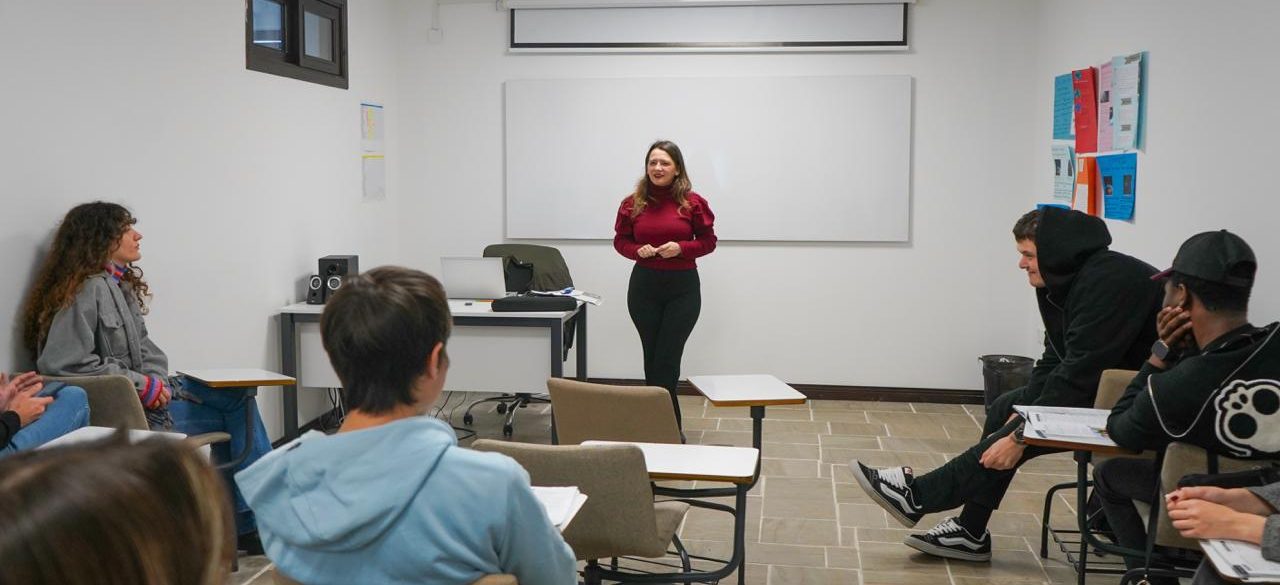
An “Exam Anxiety Awareness and Information Workshop” was held at Arkin University of Creative Arts and Design (ARUCAD) through the collaboration of the English Preparatory School and the Psychological Counseling and Support Unit, with the aim of supporting students in understanding and managing exam anxiety. The workshop was conducted by Clinical Psychologist Simge Koçar.
The workshop was designed as a short, structured psychoeducational intervention and was carried out by visiting classes individually during regular lesson hours. The sessions focused on the cognitive, emotional, and bodily dimensions of exam anxiety, particularly as experienced in written and oral examinations. Common responses such as freezing, accelerated thinking, and performance decline during exams were discussed, alongside a clear and accessible explanation of the brain-based mechanisms underlying anxiety.
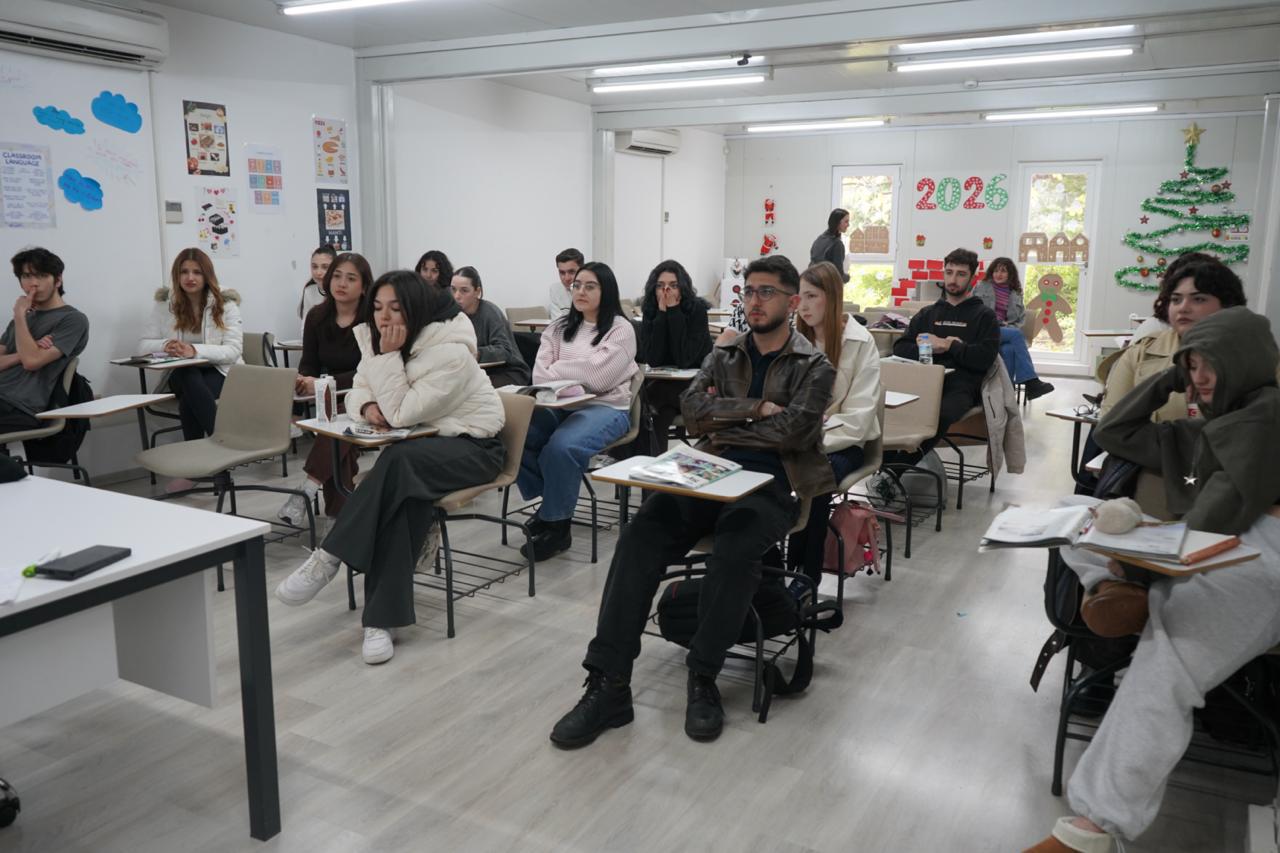
Throughout the workshop, students were encouraged to view exam anxiety not as a personal deficiency, but as a manageable and understandable process. Practical cognitive coping strategies were introduced to help students sustain communication during oral exams and re-engage with questions during written exams. Through short in-class exercises and body awareness practices, students were guided to recognize their internal experiences during exam situations and to apply brief, effective strategies in the moment.
Key concepts highlighted during the workshop included exam anxiety, bodily awareness, threat perception, cognitive flexibility, and approaches to coping with anxiety. Rather than aiming to eliminate anxiety entirely, the sessions emphasized maintaining functionality and engagement even while experiencing anxiety.
One of the key messages of the workshop was summarized in the words of Clinical Psychologist Simge Koçar: “Feeling panic does not mean that you do not know the answer; what matters is being able to continue despite it.” The Exam Anxiety Awareness and Information Workshop contributed to students’ ability to approach exam processes with greater awareness, flexibility, and psychological resilience.
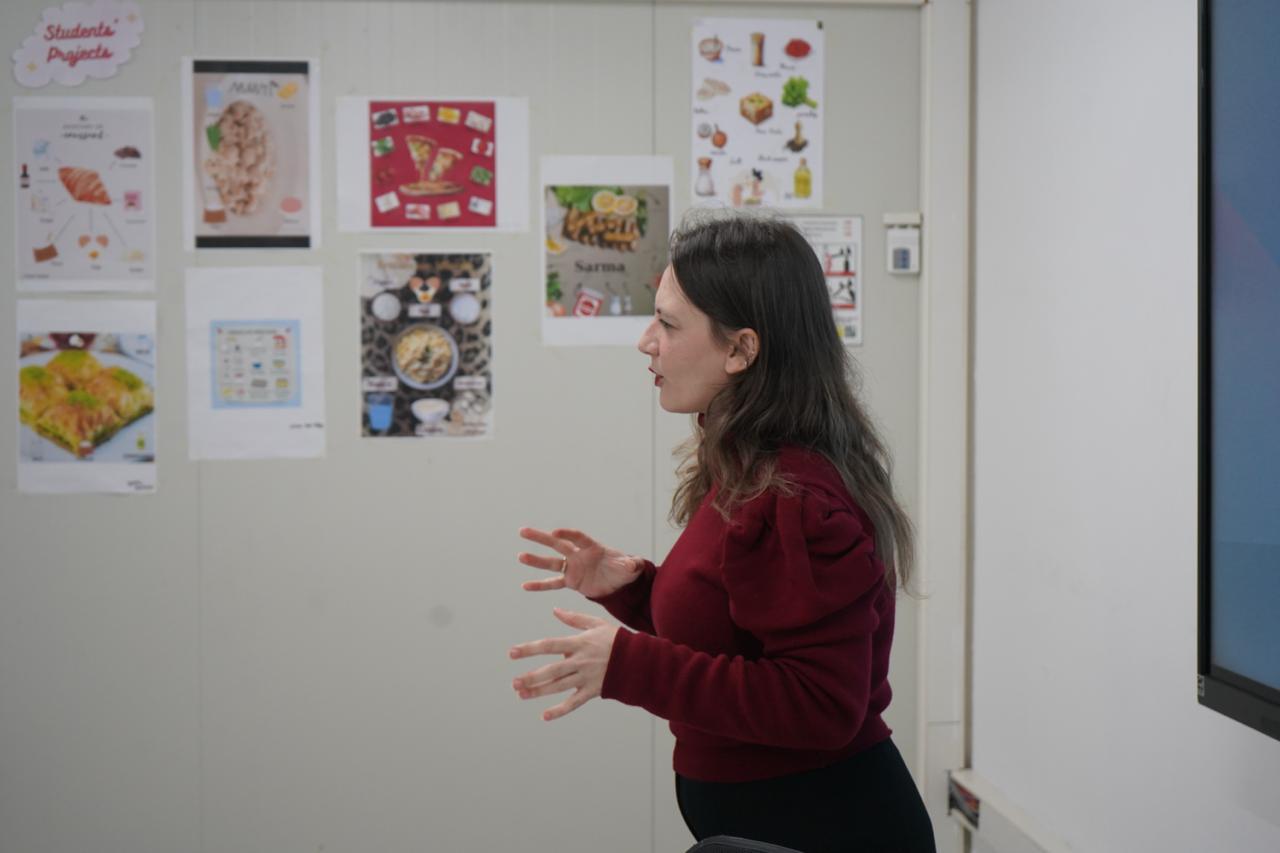

Throughout the workshop, students were encouraged to view exam anxiety not as a personal deficiency, but as a manageable and understandable process. Practical cognitive coping strategies were introduced to help students sustain communication during oral exams and re-engage with questions during written exams. Through short in-class exercises and body awareness practices, students were guided to recognize their internal experiences during exam situations and to apply brief, effective strategies in the moment.
Key concepts highlighted during the workshop included exam anxiety, bodily awareness, threat perception, cognitive flexibility, and approaches to coping with anxiety. Rather than aiming to eliminate anxiety entirely, the sessions emphasized maintaining functionality and engagement even while experiencing anxiety.
One of the key messages of the workshop was summarized in the words of Clinical Psychologist Simge Koçar: “Feeling panic does not mean that you do not know the answer; what matters is being able to continue despite it.” The Exam Anxiety Awareness and Information Workshop contributed to students’ ability to approach exam processes with greater awareness, flexibility, and psychological resilience.