ARUCAD Brings Together External Stakeholders for a Meeting Focused on Collaboration and Social Impact
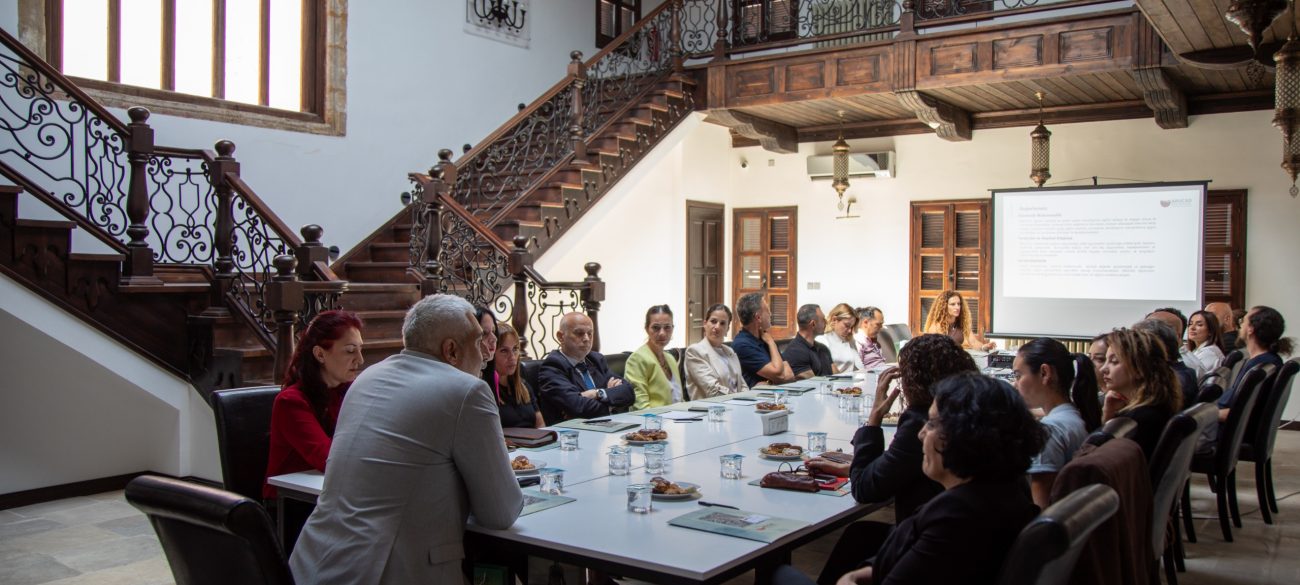
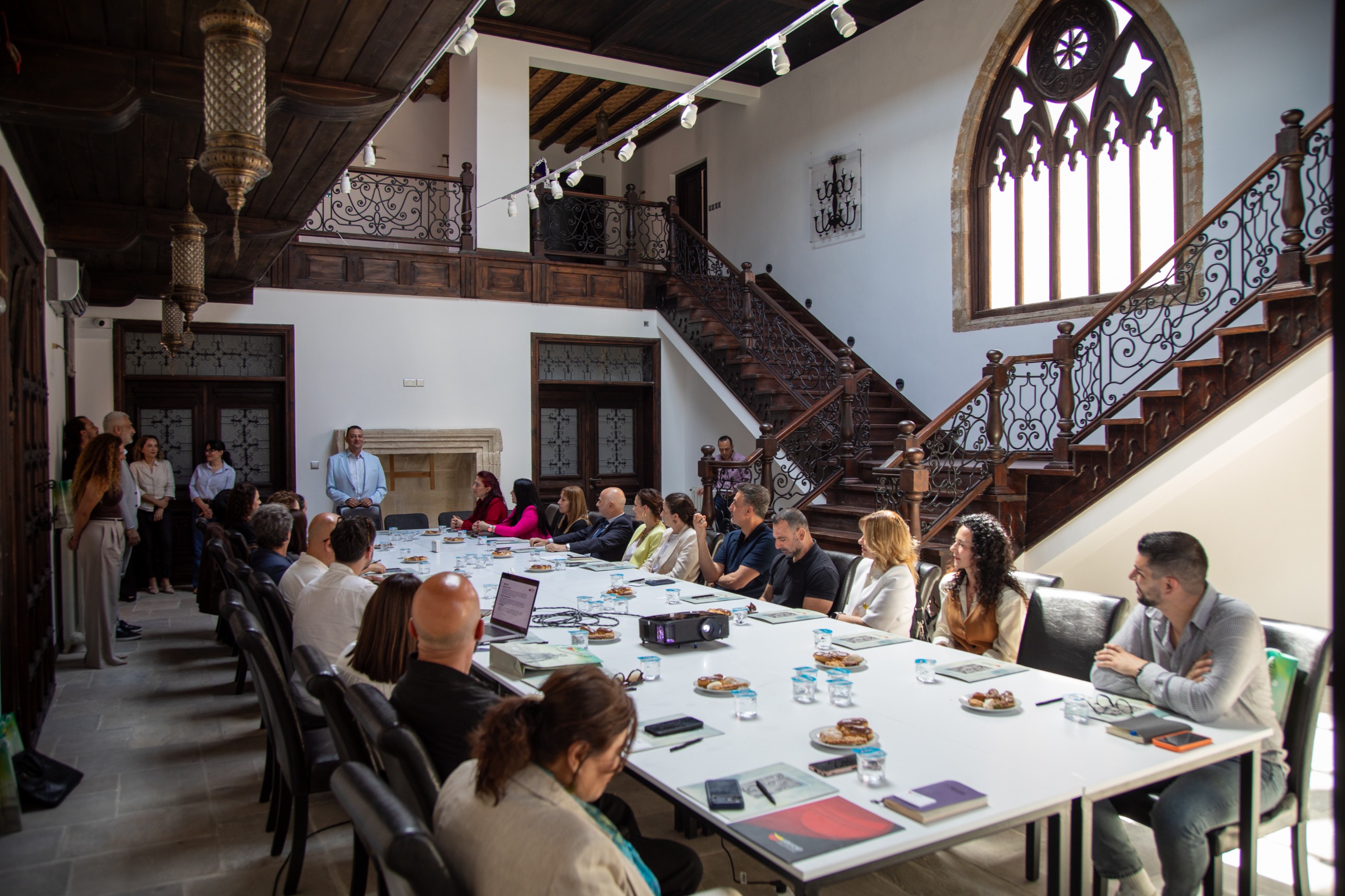
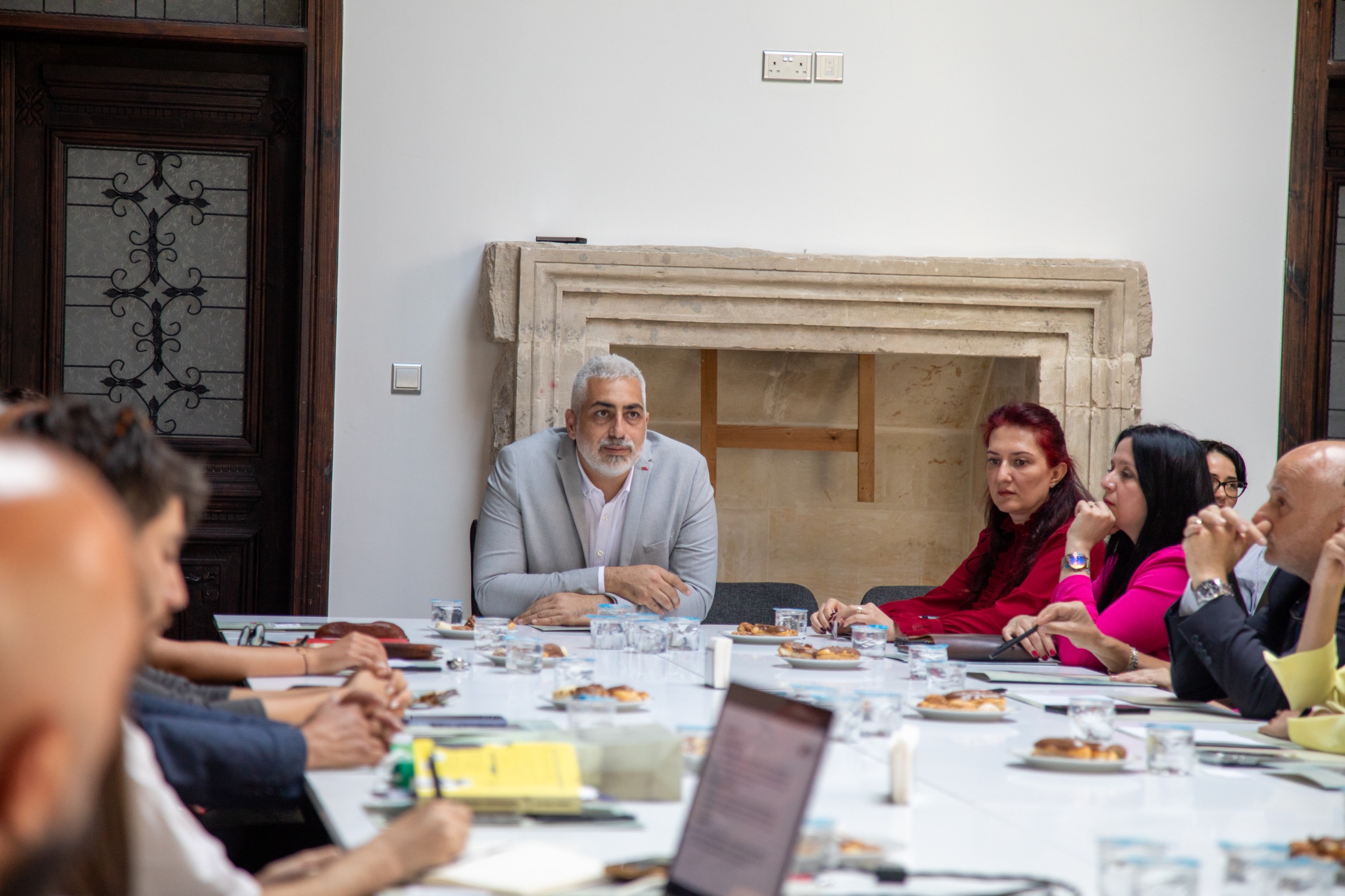
ARUCAD brought together external stakeholders from various fields to discuss university collaborations, social impact initiatives, sustainability-oriented projects, and possibilities for collective production in the fields of culture and arts. The meeting gathered representatives from media organizations, local authorities, the private sector, and civil society organizations. Alongside presentations on the university’s current goals and ongoing projects, participants also shared ideas and suggestions regarding potential collaborations in different areas. The meetings, planned to be held several times a year, aim to establish a more sustainable and functional relationship between the university and its external stakeholders.
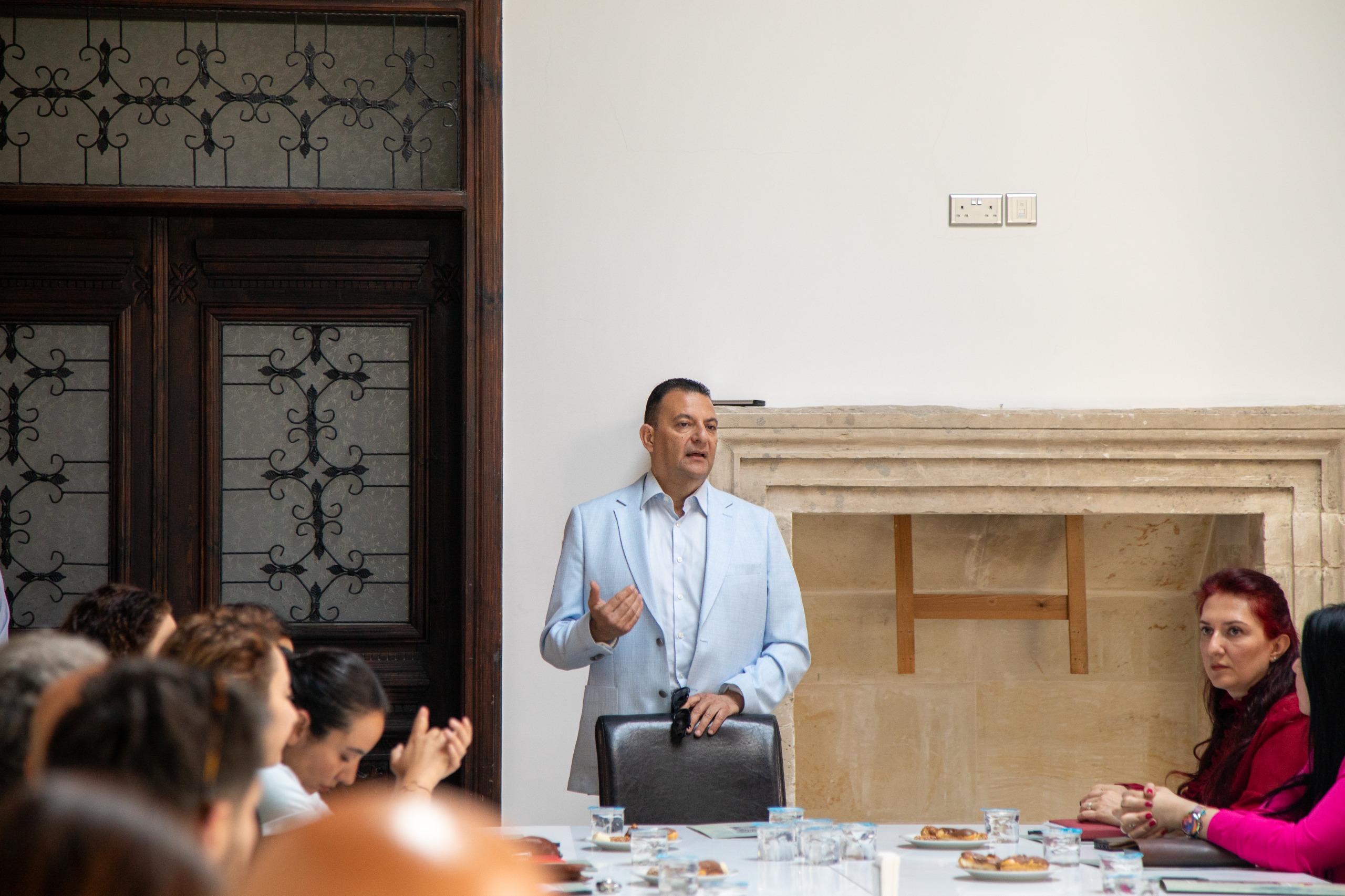
The meeting began with an opening speech by ARUCAD Rector Prof. Dr. Asım Vehbi. Rector Vehbi emphasized that one of the university’s priorities is not only academic production but also building a structure capable of establishing strong connections with society and developing collaborative projects across different fields. Highlighting the importance of feedback from external stakeholders, Vehbi stated that ARUCAD aims to further strengthen its work in the areas of social contribution and cultural production. The session was moderated by Vice Rector Asst. Prof. Dr. İbrahim Dalkılıç.
The university was represented by Vice Rector and Dean of the Faculty of Communication Prof. Dr. Nezahat Doğan, Vice Rector Asst. Prof. Dr. İbrahim Dalkılıç, Vice Rector and Dean of the Faculty of Design Prof. Dr. Burcu Toker, Dean of the Faculty of Music and Performing Arts Prof. Dr. Kerem Karaboğa, Vice Dean of the Faculty of Communication and University Quality Coordinator Assoc. Prof. Dr. Nuran Öze, members of the Quality Commission, and the Corporate Communications Office.
During the meeting, ARUCAD’s updated mission, vision, and 2025–2030 strategic plan were presented. Data regarding the university’s social contribution activities was also shared. It was stated that 11 percent of the university’s budget is allocated to social contribution initiatives and that more than 180 events were organized during the October–April period of the 2025–2026 academic year. It was also emphasized that most of these events were open to the public.
Throughout the meeting, participants exchanged ideas on developing sustainable collaborations in culture and the arts, establishing joint projects with local authorities, producing social awareness initiatives together with civil society organizations, and creating new models through which students could engage more directly with different fields.
BRTK Director Meryem Özkurt stated that ARUCAD interns stand out significantly within the sector and said: “Students coming from ARUCAD have major practical advantages. In terms of camera use, framing, and visual awareness, they immediately become active contributors alongside our staff.”
SOS Children’s Village Association Fundraising and Public Relations Manager Cemil Hafız emphasized that art and creative production should not remain limited to certain spaces and highlighted the importance of bringing cultural and artistic activities into public spaces. Hafız noted that collaborations between municipalities, universities, and civil society organizations could increase accessibility and help creative projects establish more direct contact with wider communities.
Head of the Culture and Arts Branch of Nicosia Turkish Municipality (LTB), Kıymet Karabiber, also expressed satisfaction with the ongoing collaboration with ARUCAD, stating that the shared use of Bandabuliya Stage with the university has revitalized the area and contributed to transforming it into a living cultural and artistic space.
Meral Akıncı, President of the Association for Supporting Life Through Women (KAYAD), stated that following the recently signed protocol, they quickly began implementing various projects together with ARUCAD. She said: “Your willingness to engage with civil society for social transformation is extremely valuable to us.”
Akıncı also underlined the importance of students undertaking internships within civil society organizations in terms of social awareness and responsibility: “Civil society is something entirely different. Directly experiencing that transformative process greatly increases students’ sense of responsibility, social awareness, and value awareness.”