The Future of Industrial Design Programmes Discussed at ARUCAD
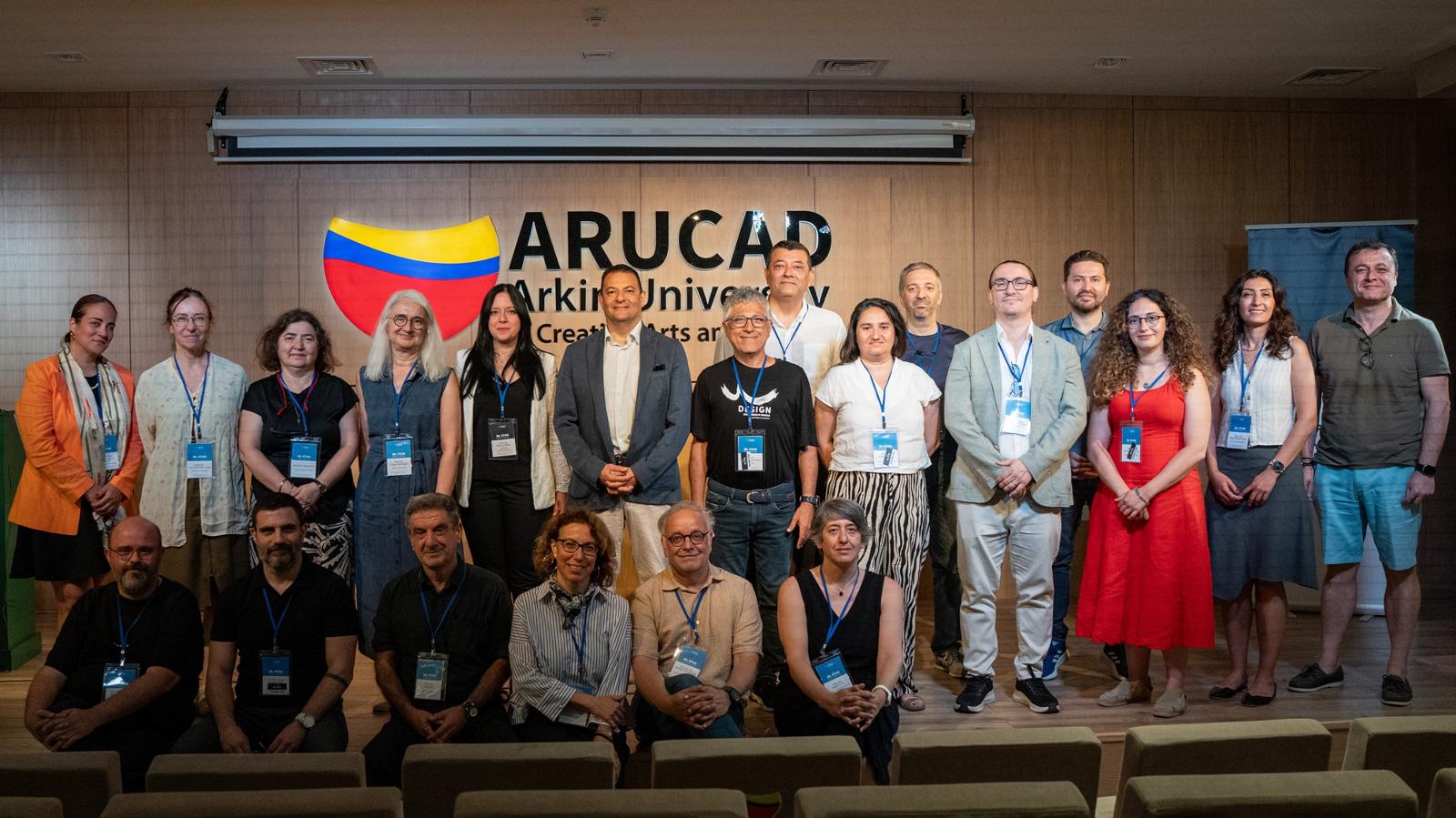
Arkin University of Creative Arts and Design (ARUCAD) hosted the 38th Term Meeting of the Academic Council of Industrial Design Departments (ETAK). The meeting, which brought together heads of Industrial Design Departments and representatives of professional organizations from universities in Türkiye and the Turkish Republic of Northern Cyprus, was held on Thursday, June 11, 2026, at the ARUCAD campus.
The meeting focused on the current state and future of industrial design education, as well as issues related to the development of the profession. It continued throughout the day with opening speeches, academic sessions, campus and workshop tours. Participants exchanged views on a wide range of topics, including educational programmes, accreditation processes, professional organizations, and curriculum changes.
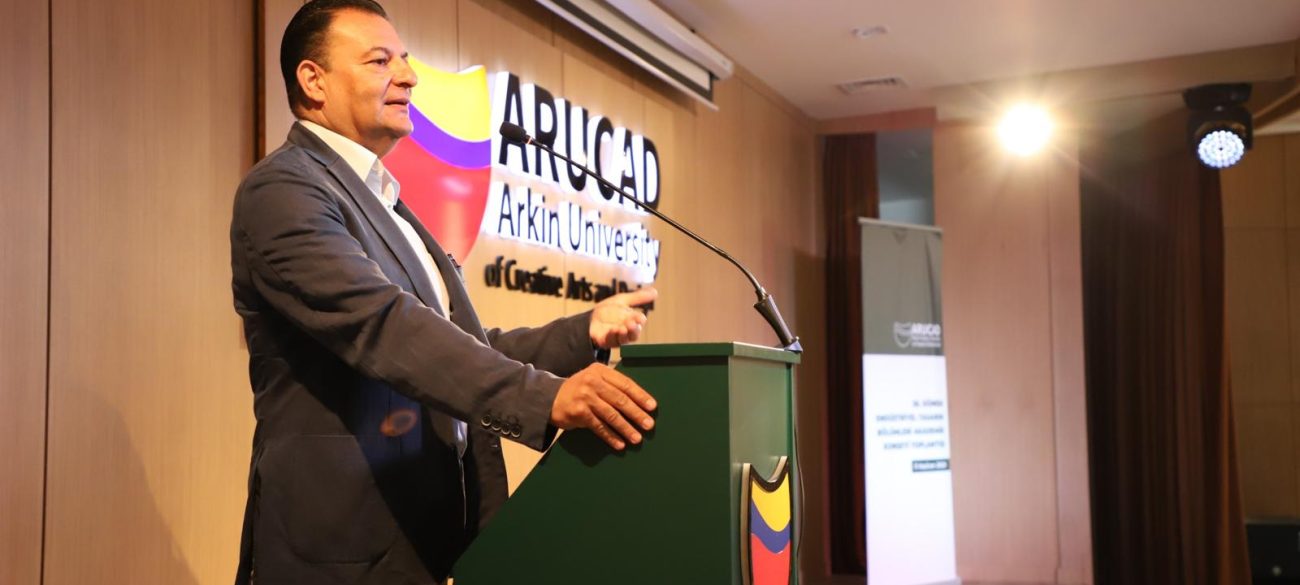
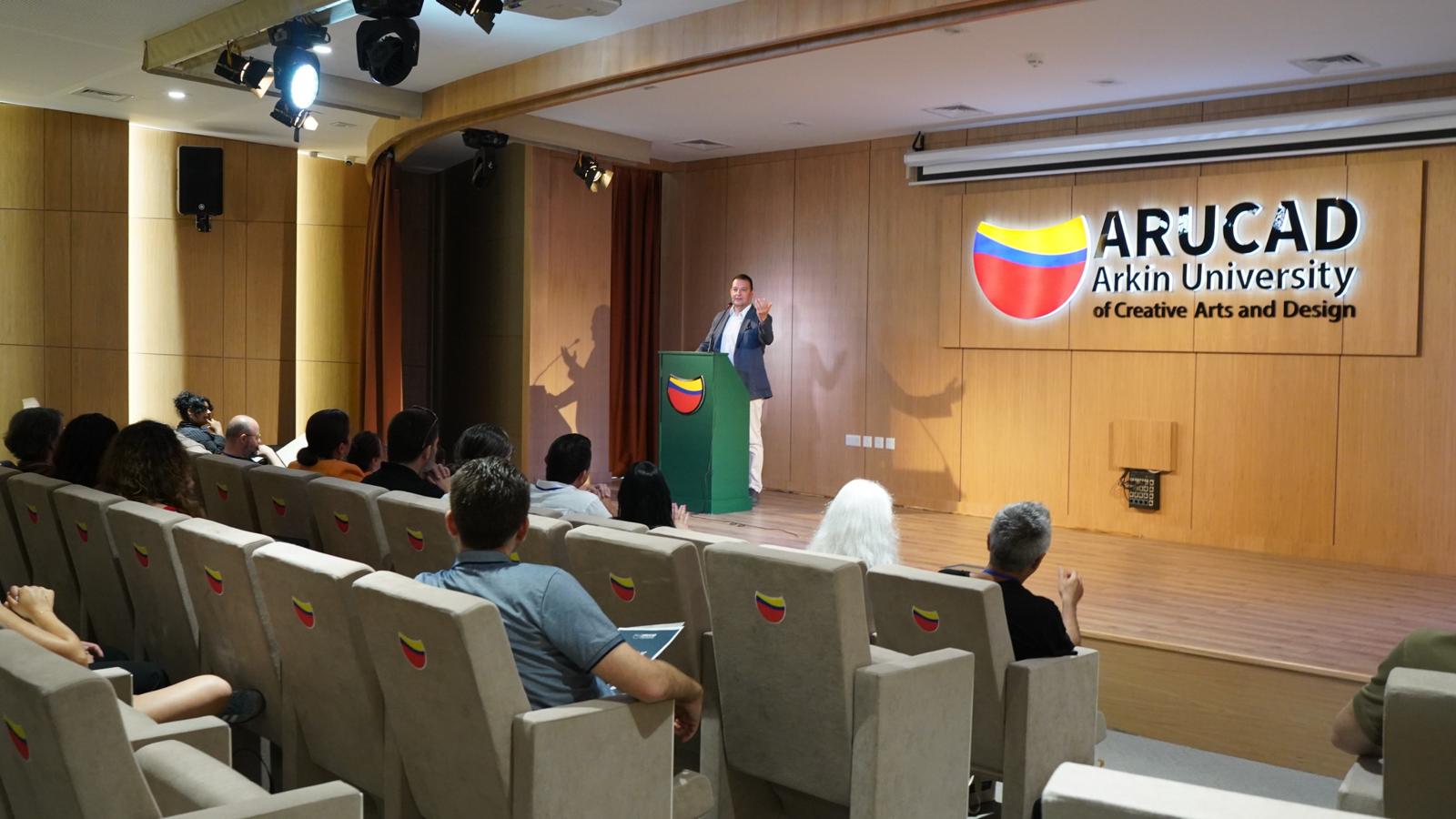
Speaking at the opening of the meeting, ARUCAD Rector Prof. Dr. Asım Vehbi highlighted the university’s vision for internationalization and its interdisciplinary approach to education. Emphasizing that ARUCAD is the only university in the region dedicated to art and design, Vehbi stated that despite its eight-year history, the university has made significant progress in accreditation, quality assurance, and research. “We bring together students, academics, and artists from many different parts of the world, and we continuously strengthen our academic network through collaborations with international universities,” said Vehbi. He also invited participants to work with ARUCAD on joint projects and academic collaborations that could be developed specifically within the field of Industrial Design.
ARUCAD Vice Rector and Dean of the Faculty of Design, Prof. Dr. Burcu Toker, expressed her pleasure in hosting the 38th ETAK meeting. She noted that the event held special significance for ARUCAD, as it is home to the only undergraduate-level Industrial Design Department in the Turkish Republic of Northern Cyprus. Stressing the importance of inter-institutional solidarity in evaluating the current state of industrial design education, discussing common challenges, and developing future strategies, Toker stated, “I sincerely believe that this meeting will pave the way for new collaborations, joint projects, and productive academic discussions.”
ARUCAD Head of the Industrial Design Department, Asst. Prof. Dr. Burçin Saltık, also emphasized that the meeting provided an important opportunity to evaluate current issues in industrial design education and develop shared approaches for the future. Stating that important topics such as programme durations, accreditation efforts, professional organizations, student networks, and curriculum changes would be discussed throughout the day, Saltık said, “We are gathered here today not only to hold a meeting, but also to evaluate the current issues facing industrial design education together, share our experiences, and develop common approaches for the future.”
During the first session, the ARUCAD Industrial Design Department was introduced, and Prof. Dr. Çiğdem Kaya presented an evaluation of the 37th ETAK Meeting. This was followed by comments and recommendations regarding the report titled “Problems and Solution Proposals for the Education and Employment of Industrial Designers,” presented by Prof. Dr. Gülay Hasdoğan. The session also addressed ongoing efforts to establish a Chamber of Industrial Designers.
In the second session, participants evaluated accreditation processes for industrial design programmes and discussed recommendations for the future. Current developments related to the ETMK Student Community and the ETMK Professional Network were also shared.
The final session of the day focused on the future of industrial design education. Participants exchanged views on the proposed curriculum designed in response to changes in four-year programme durations, adaptation processes related to the shortening of the academic calendar, and the current state and future of two-year Industrial Design programmes.
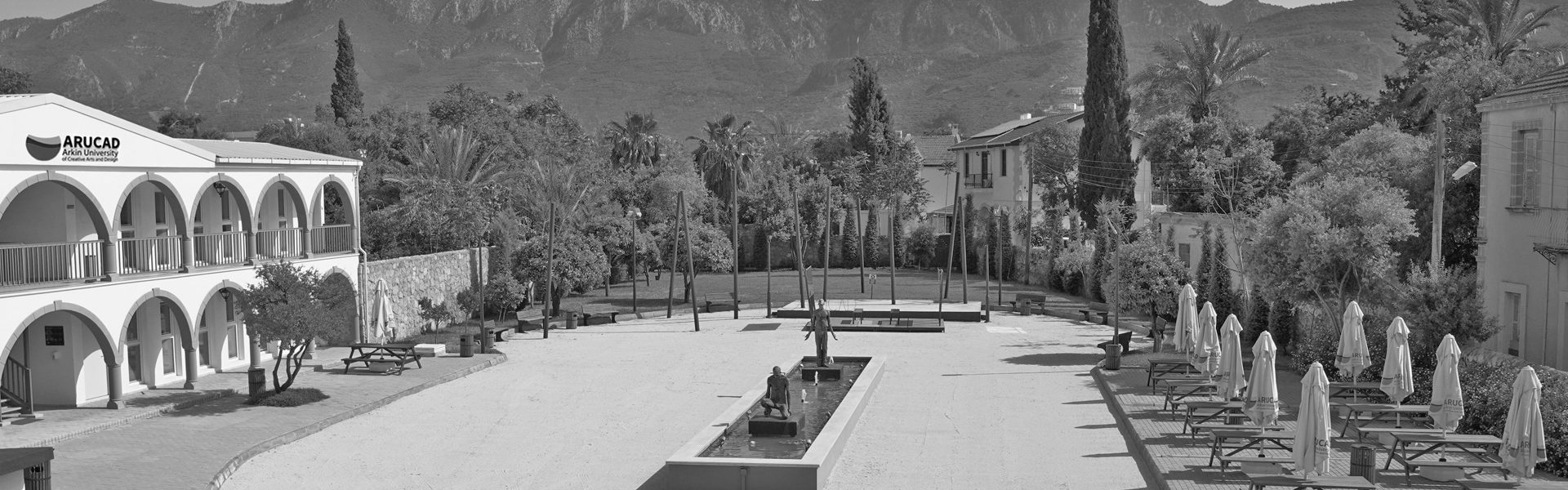
As part of the programme, participants joined a campus and workshop tour, where they had the opportunity to closely examine ARUCAD’s creative production environment and hands-on educational infrastructure. They received information about the workshops and production facilities that support the university’s interdisciplinary educational approach and exchanged views on projects being carried out across different departments.
During the closing session, participants’ opinions and suggestions were evaluated, and discussions were held regarding the institution and host university for the next ETAK meeting. The meeting concluded as an important platform for advancing academic collaboration, with participants reaching a consensus on continuing joint efforts to enhance the quality of industrial design education.