

Innovating Education Through Sustainability
How can education become more effective, balanced, and sustainable for the future?
The “Innovating Education Through Sustainability” conference brings together instructors, teachers, lecturers, school leaders, directors, teacher trainers, and education professionals who are exploring exactly this question. The event focuses on practical ideas that can be applied in everyday teaching, while also recognising the important role of leadership in supporting meaningful and lasting change across institutions.
In this context, sustainability goes beyond environmental awareness. It also means using time and resources wisely, supporting teacher wellbeing, promoting inclusive practices, and developing approaches to teaching, learning, and assessment that remain effective over the long term.
The conference explores a range of areas, including teaching methods, curriculum design, assessment and testing, digital tools, and whole-school practices. It aims to provide realistic and adaptable strategies that improve learning while supporting both teachers and students.
By bringing together different perspectives and experiences, the event creates a space for sharing ideas, building connections, and encouraging collaboration across educational contexts.
Together, we move from ideas to impact, shaping education that lasts.

İnanç Uçaröz
İnanç Uçaröz is a dedicated and accomplished English language educator with over 25 years of teaching experience and a distinguished record of leadership in higher education. She currently serves as the Director of the English Preparatory School at ARUCAD University, where she leads initiatives focused on academic excellence, innovation in language education, and continuous professional development. A graduate of Eastern Mediterranean University with a Bachelor’s degree in English Language and Literature, she began her academic career at Near East University, where she taught for two decades and contributed extensively to curriculum design, assessment development, and teacher mentoring. Her leadership journey includes roles as Speaking Coordinator, Curriculum and Testing Unit Coordinator, and Vice Director before assuming directorial responsibilities at ARUCAD University. Ms. Uçaröz has successfully led major institutional quality assurance and accreditation processes, ensuring the continuous enhancement of academic and administrative standards. Her strategic leadership emphasizes sustainable growth, staff development, and educational quality, contributing significantly to institutional advancement and student success.

Sena Tanta Gülaydın
Sena Tanta Gülaydın is an Instructor at ARUCAD University. She earned her B.A. degree in English Language Teaching from Cyprus International University, where she also completed her M.A. degree in the same field. She began her academic career as a Research Assistant at Cyprus International University, gaining valuable experience in language education and academic research. Between 2021 and 2024, she taught English at the Preparatory School of Final International University, where she also worked in the Testing Unit and served as the A2 level organiser. She is currently working at ARUCAD University, where she teaches English. In addition to her teaching responsibilities, she is an active member of the Testing Unit, contributing to the preparation and evaluation of language assessments
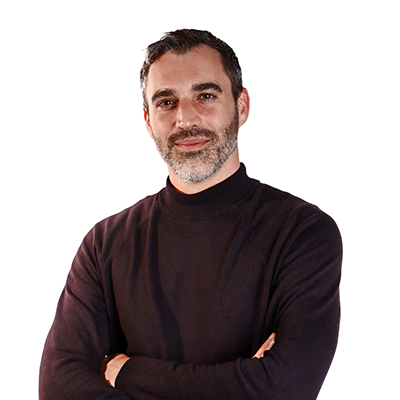
Benjamin Bailie
Benjamin Bailie is a Senior Instructor at ARUCAD – Arkin University, where he teaches Academic English in the English Preparatory School. He holds a TEFL certificate, an MA in Communication and Media Studies, and a Bachelor’s degree in Music. His teaching experience includes IELTS and Cambridge English preparation, academic writing, and general English courses at various CEFR levels. He previously worked in journalism as a sub-editor and reporter, and also provides online instruction through online platforms.
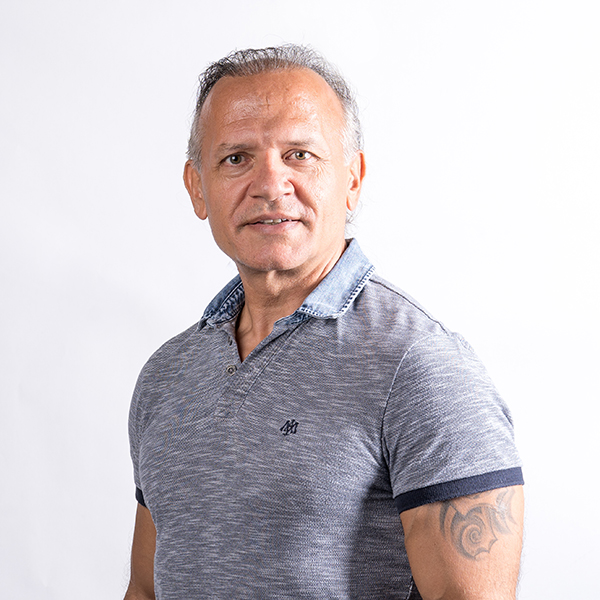
Arif Celal Sözer
After graduating from Yükseliş Private High School in Ankara, Arif Celal Sözer continued his studies at Hacettepe University Faculty of Fine Arts, Graphic Design department. Afterwards, he studied philology at Ankara University, Faculty of Language and History-Geography and graduated in 2000. Throughout his first business experiences in the field of import-export in Turkey, he made international correspondence, organization and English – Turkish translations. During those times he also worked as a translator in coordination with translation offices. After his teaching experience in a private English course, he broadened his teaching practice skills with the most contemporary methods through an intensified English teachers’ training program in American Culture UK which provided him with the international TESOL English teaching certificate accredited by Harvard. He worked as a supervisor in IELTS exam programmes at the British Council for four years. He taught English in private English courses, and four different private schools in Ankara until 2023. He joined ARUCAD family by the beginning of 2023 – 2024 academic year.
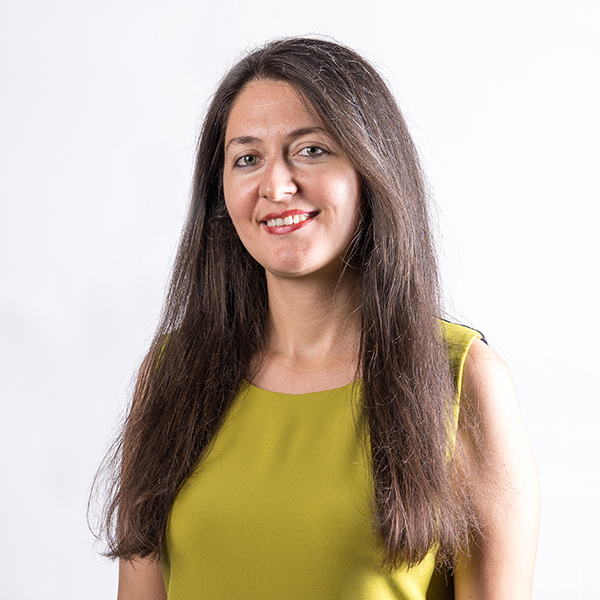
Özge Güzeltepe Gönç
Özge Güzeltepe Gönç graduated from the English Language Teaching Department of Girne American University in 2011 as the top student of her faculty. She completed her M.A. in English Language Teaching at the same university in 2015. She worked as a lecturer at Girne American University in 2013 and later taught English in well-known private institutions such as TED and Bahçeşehir Colleges. In 2020, she successfully completed the “Launching Innovation in Schools’’ program offered by the Massachusetts Institute of Technology (MIT). Since 2023, she has been working as a lecturer in the English Preparatory School at Arkın University of Creative Arts and Design.
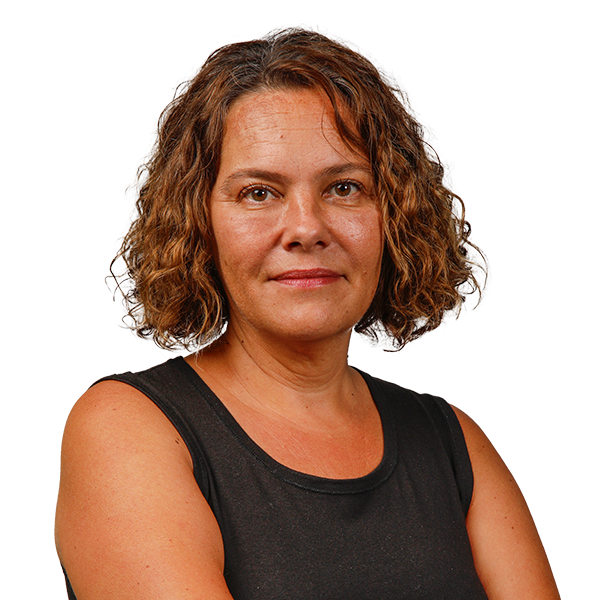
Asu Uzbaşlı
She studied English Language and Literature at Hacettepe University in Ankara and got her Teaching Certificate from 9 Eylül University in 1998. Since then, she has been teaching in private sector including various colleges and language schools consisting different age groups. She joined Arucad family in 2025.
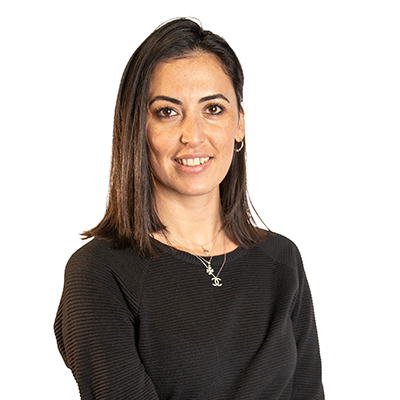
Yasemin Kılıç
Yasemin Kılıç is an English teacher with 12 years of experience teaching students across a wide range of ages, proficiency levels, and cultural contexts. Her work centers on building inclusive learning environments where all learners feel supported and motivated to develop their language skills. She is passionate about fostering global awareness through language education and helping students connect English learning to meaningful real-world experiences.
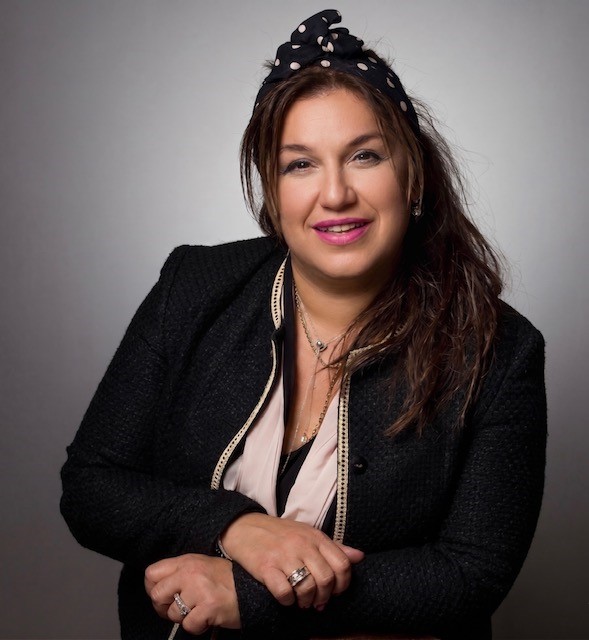
Sinem Atamsoy Koşar
TITLE: ELT Specialist / Advanced Neurolanguage Coach®/ Co-founder InspirED Minds
With over 33 years of teaching experience and 15 years as a learning consultant, I am deeply passionate about empowering educators, leaders, and learners to grow with confidence and curiosity. My expertise lies in teacher development, trainer training, leadership, assessment, brain-based learning, and Advanced Neurolanguage Coaching®, supporting personalised and science-informed learning journeys.
During my time at Ege University in İzmir, I served as the Vice Head of the School of Foreign Languages, member of the Continuous Professional Development Unit, and exam writer. I am a founding member and former president of TESOL Türkiye and continue to contribute actively to teacher education and professional development initiatives nationally and internationally. I currently serve as a committee member at TESOL Turkiye Teacher Education and Development Special Interest Group (TED SIG) and have recently joined the IATEFL Teacher Development SIG as a committee member.

Dawn Dickson
Learning Consultant
Dawn is an experienced language professional with a passion for lifelong learning. Her early love for languages led her to a career in translation after university. With experience in translation, education, and learning consultancy, Dawn has thrived in diverse roles. As an international teacher, Dawn has taught in various settings worldwide. This experience has given her valuable insights into both the challenges teachers face and the learning experiences of students. This dual perspective informs her work in learning consultancy, where she effectively relates to the needs of educators and students. Currently based in UAE.
Zeynep Oğul-Akın
Zeynep Oğul-Akın received her BA in ELT and MA in Educational Administration, Supervision, and Economics. She has 30 years of ELT experience, 19 of which includes administrative expertise at 3 universities in Turkiye. She has gained strong experience in curriculum design, curriculum-based assessment, accreditation, leadership and management in these 30 years. Currently, she is the Academic Programs and ELT Manager in ETS and the co-coordinator of TESOL Türkiye LAMSIG.
- Baran Nazami
Sustainable Educational Innovation through Digital Pragmatics: Reimagining Interactive Learning in EFL Contexts
“In an increasingly digitalized educational landscape, sustainability in language education extends beyond environmental concerns and encompasses the development of meaningful, adaptable, and learner-centered pedagogical practices. Traditional approaches to English as a Foreign Language (EFL) instruction often focus on linguistic accuracy while paying insufficient attention to learners’ ability to communicate effectively within evolving digital environments. Consequently, there is a growing need to explore innovative educational approaches that foster both sustainable learning and authentic communicative competence.
This paper examines the role of digital pragmatics as an emerging framework for sustainable educational innovation in EFL contexts. Digital pragmatics refers to the understanding and use of language within technology-mediated interactions, where communication is shaped by social, cultural, and contextual factors across digital platforms. Integrating digital pragmatics into interactive learning environments has the potential to create more meaningful and engaging educational experiences while promoting long-term communicative development.
The study discusses how interactive learning practices, including collaborative online tasks, technology-supported communication activities, and learner-centered digital engagement, can contribute to sustainable language learning. Such approaches may encourage active participation, critical thinking, intercultural awareness, and pragmatic competence among EFL learners. Furthermore, the paper highlights the importance of moving beyond traditional instructional models toward educational practices that support adaptability and lifelong learning.
The discussion contributes to current debates on educational sustainability by proposing a conceptual framework that links digital pragmatics with innovative EFL pedagogy. The findings may offer implications for language educators seeking to design more sustainable, interactive, and human-centered learning environments in the digital era.”
- Yeşim Üstün
Sustainability in Vocational and Technical Education: Current Approaches and Future Perspectives
“Sustainability has become one of the key priorities of modern education systems, leading to a significant transformation, particularly in vocational and technical education (VTE). Rapid changes in the labor market, digitalization, the transition to a green economy, and increasing environmental awareness have highlighted the need for vocational education to evolve beyond technical skill development and contribute to sustainable
development. This study examines the concept of sustainability in vocational and technical education from the perspective of current approaches and future perspectives. It focuses on the integration of sustainability principles into educational curricula, the use of digital technologies, the development of green skills, and the importance of collaboration between educational institutions and industry. The study is based on a comprehensive review of current national and international literature. The findings indicate that sustainability-oriented educational practices enhance students’ environmental awareness, professional competencies, and innovative thinking skills. Furthermore, the study emphasizes the importance of updating curricula in line with the Sustainable Development Goals (SDGs) and promoting environmentally responsible practices in practical training environments. It is expected that this paper will contribute to the development of sustainability policies in vocational and technical education and provide guidance for future educational strategies. “
Keywords: Vocational and Technical Education, Sustainability, Sustainable Development, Green Skills, DigitalTransformation
- Salma Alamassi
Beyond Saving Trees: How Going Digital Sustains Teachers and Students
“In the drive of sustainable education, we must look beyond environmental impact and consider the sustainable use of time, resources, and teacher energy. Traditional paper-based teaching often reinforces static methodologies while contributing to administrative burnout and significant physical waste. This presentation explores how transitioning to digital collaboration tools—such as online interactive boards and cloud-based documents—serves a dual purpose: drastically reducing a classroom’s ecological footprint while fostering a more balanced, inclusive, and effective learning environment.
Rather than viewing technology merely as a substitute for paper, this session reframes digital platforms as practical catalysts for everyday pedagogical innovation. By analyzing applications within education, we will demonstrate how tools like Google Docs and digital whiteboards support inclusive practices, allowing for multimodal learning, anonymous brainstorming, and real-time peer feedback. Furthermore, these tools streamline teacher workflows, minimizing preparation time and administrative burden to directly support teacher wellbeing.
Aligning with the need for lasting institutional change, the digital nature of these resources allows for seamless sharing and scaling across contexts. Attendees will move from ideas to impact, walking away with adaptable, realistic strategies that elevate student engagement while making the profession more sustainable for educators themselves.”
- Ayşegül Sallı – Fatma Çalışkan – Yağmur Kürü – Büşra Işık
From Ideas to Materials: Designing Sustainability-Themed ELT Units with Pre-Service Teachers
“This presentation showcases a collaborative materials design project carried out with pre-service English language teachers in an ELT materials design course. The project invited student teachers to design sustainability-themed, technology-enhanced supplementary units for a real B1 instructional context, namely an English preparatory school course. It was developed in response to a need for a more coherent, context-sensitive, and pedagogically purposeful materials design process than in previous years, when students were free to choose any topic, level, and format.
The project was structured in stages. Students were first introduced to sustainability in ELT and to digital tools that could support materials design. Since many initially had limited knowledge of sustainability and its relevance to language teaching, they completed a pre-project exploration worksheet, engaged in collaborative poster discussions, and responded to a survey exploring their initial knowledge, confidence, and perceptions. They then worked in groups to select a sustainability angle, choose a B1 unit focus, submit a proposal, and develop a full materials package. The final products included learner materials, teacher notes, and a design rationale, supported by formatting and layout guidance to enable compilation into a class booklet.
The presentation highlights both the project design and the students’ journeys through it. In particular, it illustrates how student teachers moved from uncertainty to more principled materials design by learning to integrate sustainability content, digital tools, grammar and vocabulary targets, formative assessment, and mediation-oriented tasks into coherent B1-level materials. The session concludes with reflections on implications for innovation in ELT teacher education.”
- Sesil Azra Demir
A Student’s Blueprint for Sustainability
What is sustainable living from a student’s perspective, and where do ideas about it first begin? How can we integrate sustainable living into education using examples from personal life? This in-depth analysis of this important concept will be explored from a student’s perspective, focusing on where this awareness is instilled and how it continues to develop. This presentation has been developed using examples from a student who has grown up living a sustainable life.
- Damla Şahin – Öznur Çiçek
Embedding Sustainability in EFL: A Curriculum Development Project in an English Preparatory School
“As global challenges such as climate change, social inequality, and responsible resource use continue to shape our future, educational institutions are increasingly expected to prepare learners not only for academic success but also for responsible citizenship. In response to this need, this ongoing research project explores ways of integrating sustainable education into an English Preparatory School curriculum.
The project aims to demonstrate that sustainability can be incorporated into language education in meaningful and engaging ways without compromising linguistic objectives. Rather than treating sustainability as a separate subject, the project seeks to embed sustainability-related themes into English language learning through project-based learning, discussion activities, collaborative tasks, and real-world problem-solving experiences. Topics such as environmental awareness, responsible consumption, cultural diversity, and global citizenship are integrated into classroom activities to encourage both language development and critical thinking.
Drawing on student-centered and experiential learning principles, the project also investigates how sustainability-focused tasks influence learners’ engagement, awareness, and sense of responsibility. Preliminary observations suggest that students respond positively to opportunities to discuss authentic global issues while developing their communication skills in English. Furthermore, integrating sustainability themes appears to increase motivation by connecting language learning to real-life concerns that students perceive as relevant to their futures.”
- Ruma Rafıq
From Dependence to Self-Regulation: AI-Mediated Academic Writing and the Sustainability of Learner Autonomy in Higher Education ELT
“Generative AI tools have entered university writing classrooms faster than the field has been able to assess their longer-term pedagogical consequences. Much of the existing evidence reports immediate gains in fluency, accuracy, and output, yet says little about what happens to learner autonomy once the tool is withdrawn. This study examines whether AI-mediated academic writing instruction strengthens or erodes self-regulated learning, and whether any observed gains endure beyond the intervention itself. Sustainability is treated here not as an environmental concern but as pedagogical durability: the capacity of learning to remain effective after external support is removed.
Adopting a quasi-experimental design, the study compares an experimental cohort receiving structured AI-supported writing instruction with a control cohort following conventional instruction over a single semester. Self-regulated learning is measured through a validated writing-specific questionnaire administered at three points: before the intervention, immediately after, and following a delayed interval. Academic writing performance is assessed through an analytic rubric applied to comparable timed tasks. Semi-structured interviews with a purposive subsample provide explanatory depth on how students manage reliance on the tool.
The delayed post-test is central to the design, allowing the study to distinguish genuine internalization of regulatory strategies from short-lived, tool-dependent improvement. Findings are expected to inform sustainable approaches to integrating AI in academic writing curricula, where the aim is to cultivate independent writers rather than proficient users of a tool.”
| 09:00-09:45 | REGISTRATION | |||
| TIME | OPENING SPEECHES | SPEAKERS | VENUE | |
| 10:00-10:15 | Opening Speech by the Director of the English Preparatory School | Sen. Ins. İnanç Uçaröz | Conference Hall | |
| 10:15-10:30 | Speech by the Vice Rector – Research and Development | Prof. Dr. Burcu Toker | Conference Hall | |
| 10:30-11:30 | Keynote Speech by ELT Specialist, Advanced Neurolanguage Coach® and Co-founder of InspirED Minds | Sinem Atamsoy Koşar “Sustainable Education Begins with Sustainable Humans: Well-Being, Leadership, and Quality in Learning” | Conference Hall | |
| 11:30-12:30 | Plenary Speech by Academic Programs and ELT Manager, ETS EMEA | Zeynep Oğul Akın Culture, Growth, and Global Classrooms | Conference Hall | |
| 12:30-14:00 | LUNCH | |||
| AFTERNOON SESSIONS / PARALLEL SESSIONS | ||||||
| TIME | SESSIONS | PRESENTERS | VENUE | PRESENTATION TYPE | MODERATORS | |
| 14:00-14:40 | Online Session 1Innovating Education Through Sustainability: Preparing Future-Ready Learners for a Sustainable World | Dawn Dickens | CONFERENCE HALL | Presentation | Sen. Ins. Yasemin Kılıç | |
| Session 2Embedding Sustainability in EFL: A Curriculum Development Project in an English Preparatory School | Damla ŞahinÖznur Çiçek | EVCLA03 | Presentation | Sen. Ins. Arif Celal Sözer | ||
| Session 3From Ideas to Materials: Designing Sustainability-Themed ELT Units with Pre-Service Teachers | Ayşegül SallıFatma ÇalışkanYağmur KürüBüşra Işık | DACLA01 | Presentation | Sen. Ins. Asu Uzbaşlı | ||
| 14:40-15:00 | Coffee Break | |||||
| 15:00-15:40 | Online Session 1Beyond Saving Trees: How Going Digital Sustains Teachers and Students | Salma Almassi | CONFERENCE HALL | Presentation | Sen. Ins. Sena Tanta Gülaydın | |
| Session 2Sustainable Success begins with Sustainable Teams | Eda Aşılmaz | DACLA01 | Presentation | Sen. Ins. Arif Celal Sözer | ||
| Session 3A Student’s Blueprint for Sustainability | Sesil Azra Demir | EVCLA03 | Presentation | Sen. Ins. Özge Güzeltepe | ||
| 15:50-16:30 | Online Session 1Sustainability in Vocational and Technical Education: Current Approaches and Future Perspectives | Yeşim Üstün | CONFERENCE HALL | Presentation | Sen. Ins. Benjamin Bailie | |
| Session 2Sustainable Educational Innovation through Digital Pragmatics: Reimagining Interactive Learning in EFL Contexts | Baran Nazemi | EVCLA03 | Presentation | Sen. Ins. Asu Uzbaşlı | ||
| Session 3From Dependence to Self-Regulation: AI-Mediated Academic Writing and the Sustainability of Learner Autonomy in Higher Education | Ruma Rafıq | DACLA01 | Presentation | Sen. Ins. Yasemin Kılıç | ||
| 16:30-17:00 | Closing Ceremony & Certificate Distribution | |||||
Abstracts
Sinem Atamsoy Koşar
“Sustainable Education Begins with Sustainable Humans: Well-Being, Leadership, and Quality in Learning”
In an era of increasing pressure, rapid change, and emotional exhaustion in academic environments, sustainability in education must extend beyond environmental concerns to include human well-being and relational health. This plenary explores sustainability through the interconnected lenses of well-being, leadership, and educational quality, aligned with the United Nations Sustainable Development Goals SDG 3 (Good Health and Well-Being) and SDG 4 (Quality Education).
Many educational institutions continue to function within cultures of urgency, stress, and burnout, where performance is often prioritized over psychological safety and meaningful human connection. This session argues that sustainable education requires a shift from survival-oriented systems toward human-centered learning cultures grounded in compassion, emotional intelligence, trust, and reflective leadership.
The presentation highlights the strong connection between teacher well-being and student success, emphasizing that exhausted educators cannot sustainably foster engagement, creativity, or deep learning. By integrating supportive communication, brain-friendly teaching practices, and emotionally safe environments, institutions can promote both academic excellence and long-term well-being.
Ultimately, the plenary invites educators and leaders to rethink quality in education as a balance between high standards and humanity, creating healthier systems where both teachers and learners can thrive sustainably.
Dawn Dickson
Innovating Education Through Sustainability: Preparing Future-Ready Learners for a Sustainable World
As the world faces increasingly complex environmental, social, and economic challenges, education must evolve to equip learners with the knowledge, skills, and values needed to thrive in a rapidly changing landscape. This presentation explores how sustainability can serve as a catalyst for educational innovation by transforming teaching practices, learning environments, and institutional culture. Through the integration of sustainable principles, technology-enhanced learning, experiential education, and community engagement, educators can foster critical thinking, creativity, collaboration, and responsible leadership. By embedding sustainability into the educational experience, institutions can prepare future-ready learners who are empowered to drive positive change and contribute meaningfully to a more resilient, equitable, and sustainable world.
Zeynep Oğul Akın
Culture, Growth, and Global Classrooms
Academic Programs and ELT Manager, ETS
In today’s globalized English language classrooms, cultural diversity is not the exception—it is the norm. This is one of the factors shaping the changing role of teachers today and explains why it is essential for teachers to be equipped with the skills and knowledge to apply inclusive teaching approaches. Culturally responsive teaching is an outgrowth of multicultural education, be it socially, financially or academically. It certainly challenges many conventional teaching and learning practices and assumptions about ethnically, racially, socially, and culturally diverse people by arguing that no ethnic group should have exclusive power over others even if that is the majority in number. Culturally responsive teaching is centralized around students’ cultural identities and recycles students’ experiences as assets to teach them more efficiently. In a parallel positive approach, growth mindset teaching is based on the belief that people can develop and increase their skills, intelligence, and capabilities via effort, learning, and effective strategies. Therefore, incorporating these approaches into day-to-day teaching practices and curriculum design will acknowledge the diverse cultural backgrounds of students, foster resilience and a positive approach towards challenges during students’ learning journey. This outcome is expected to have a notable impact on sustainability in education since sustainable education is about creating learning systems that are inclusive, adaptive, equitable, and capable of supporting long-term human and social development. To this end, this talk aims at signifying the changing role of the teacher in utilizing these approaches to cultivate inclusivity, student engagement and retention within their own teaching practices.
Keywords: Socio-culturally responsive teaching, growth-mindset, changing teacher role, diversity, inclusivity, learner autonomy, sustainable education
- Conference Date : 26 June 2026
- Registration deadline: 22 June 2026
- Submission of abstracts: 22 June 2026
- Announcement of Accepted Abstracts: 23-24 June 2026