AI Enhancement Workshop/Seminar Explored the Creative Potential of Artificial Intelligence
TThe AI Enhancement Workshop/Seminar, organized on 4 June 2026 through the collaboration of the Plastic Arts Department and the Visual Communication Design Department, was successfully completed with strong participation. The event provided a comprehensive platform for exploring the creative potential of artificial intelligence technologies in the fields of art and design.
The first part of the event featured a seminar and discussion focusing on AI-assisted creative processes and the impact of emerging technologies on contemporary art and design practices. Participants were introduced to current approaches, applications, and experiences related to the ethical and creative use of artificial intelligence.
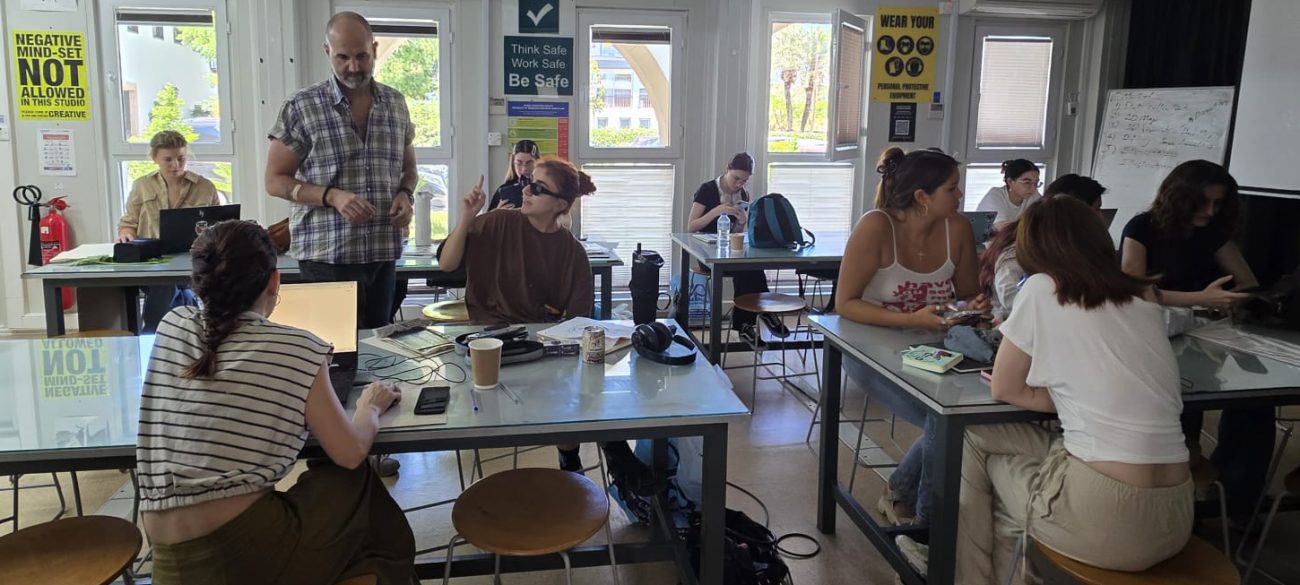
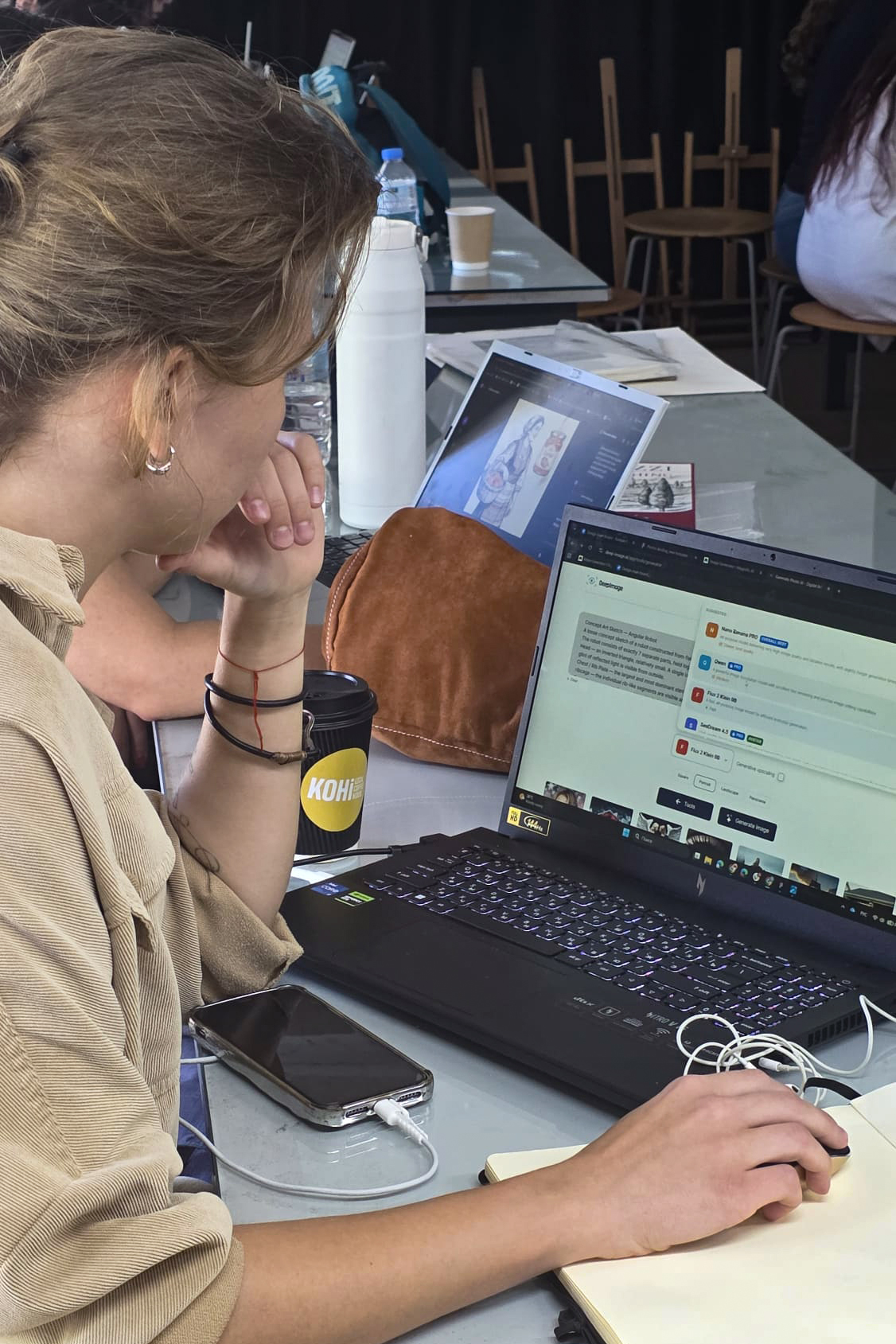
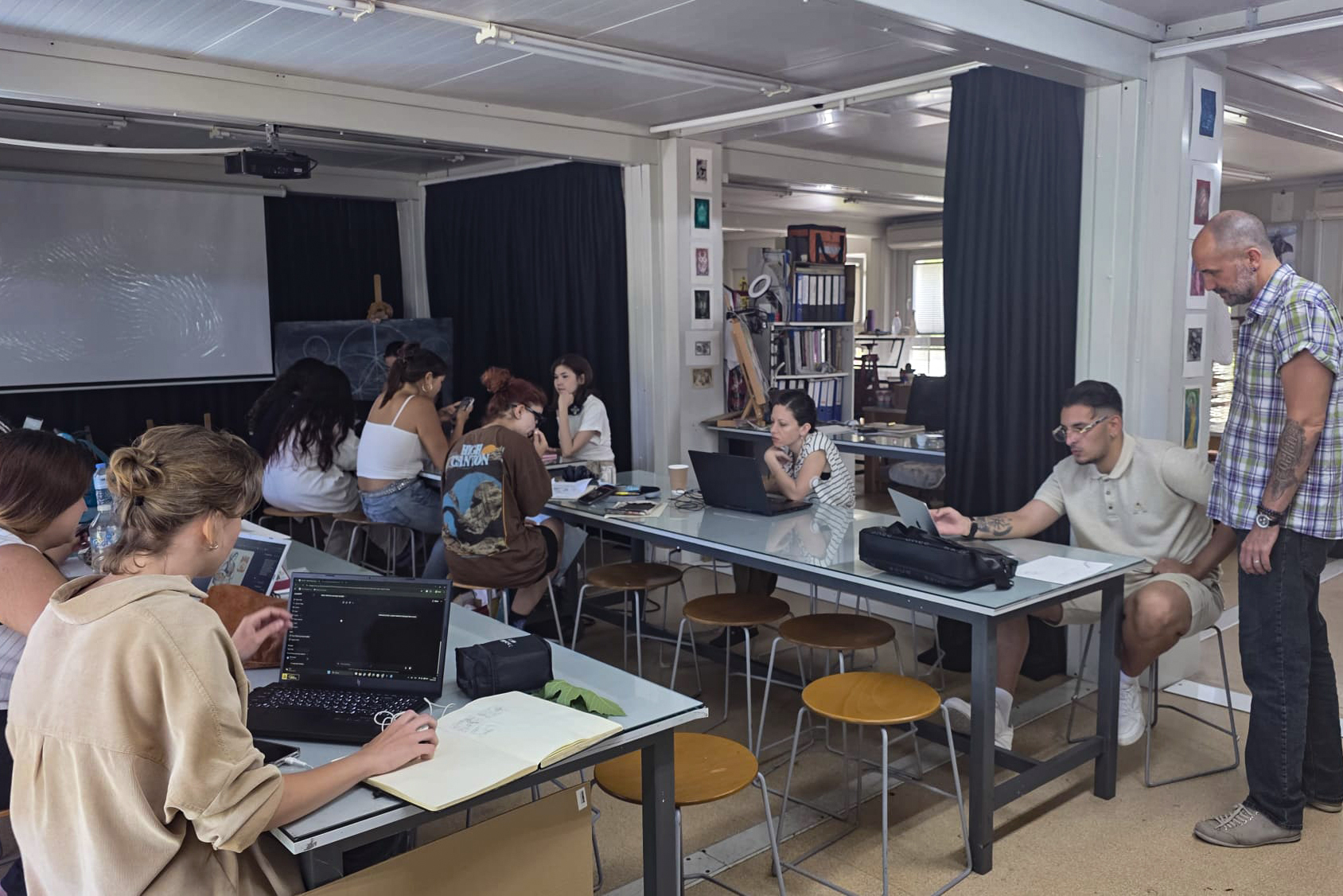
During the workshop session, students had the opportunity to engage directly with AI-supported visual production processes. In the first stage, participants generated images using detailed prompts they had developed. In the second stage, they used the same platform, model, and prompts while incorporating their own original patterns and designs into the process.
The resulting outputs were compared and evaluated, allowing participants to examine the impact of user intervention on AI-generated content. Through this hands-on experience, students were able to directly observe and assess the differences between images produced solely through text-based prompts and those created by integrating their own artistic and design work into AI-driven workflows.
Highlighting the intersection of technology, creativity, and artistic practice, the workshop provided valuable insights into how artificial intelligence can be used as both a creative tool and a critical area of exploration within contemporary art and design education.