An Accessible Campus at ARUCAD: Accessibility in Education and Creative Practice
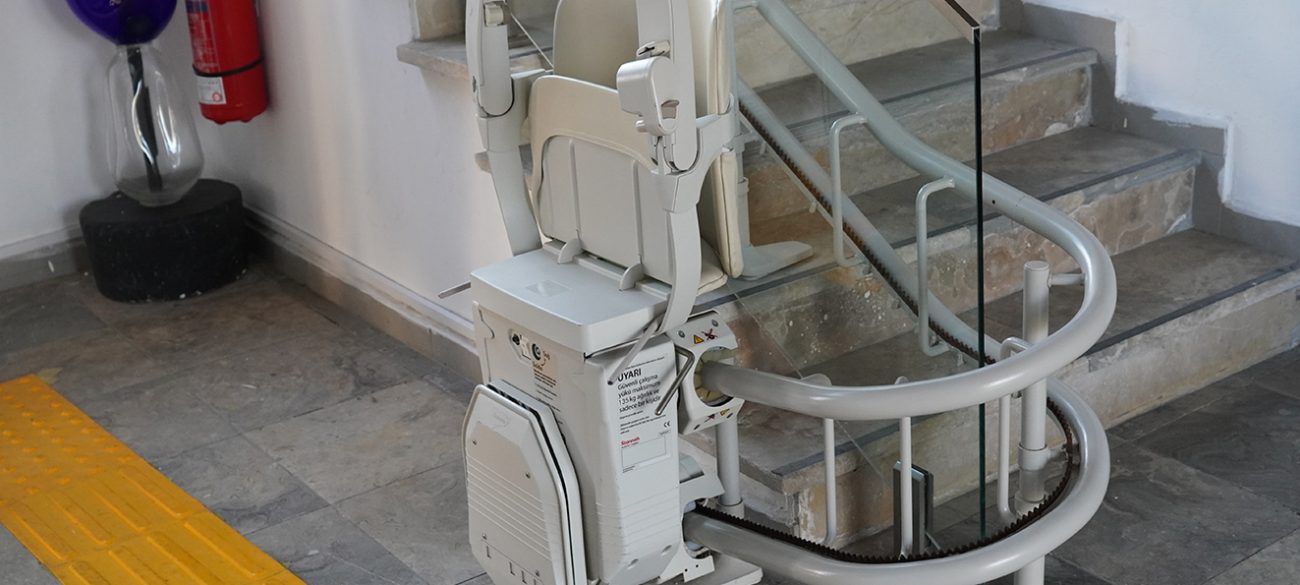
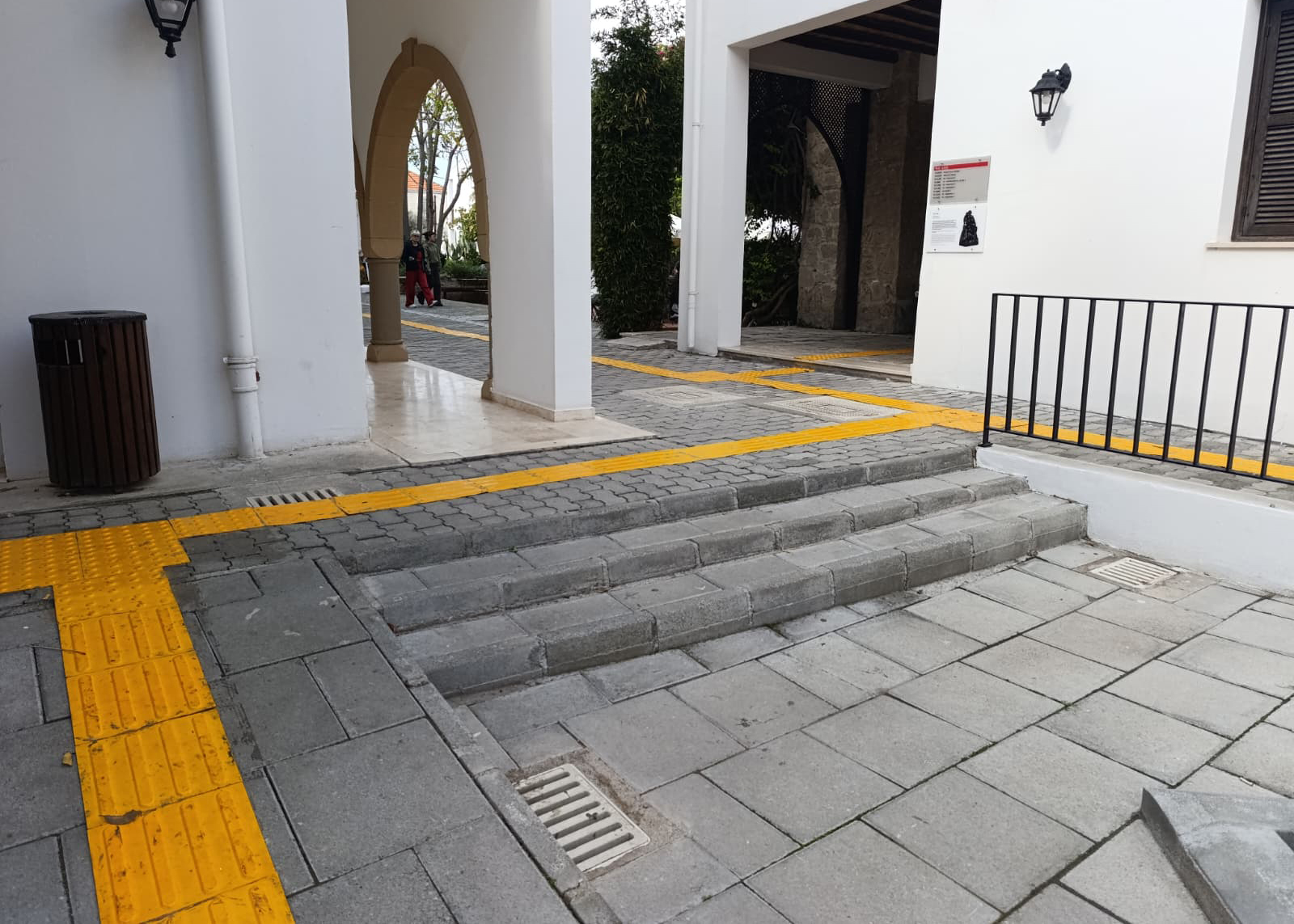
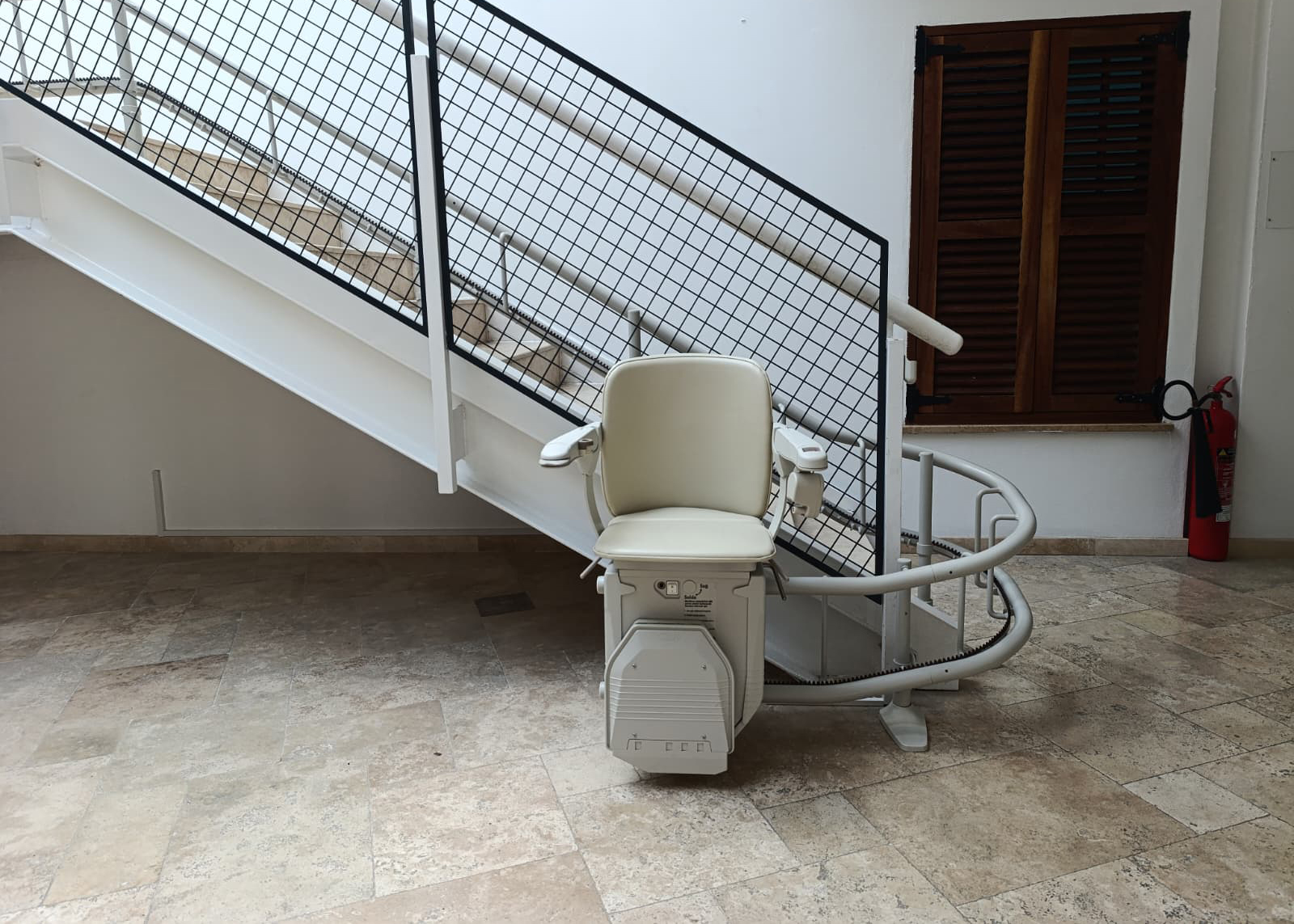
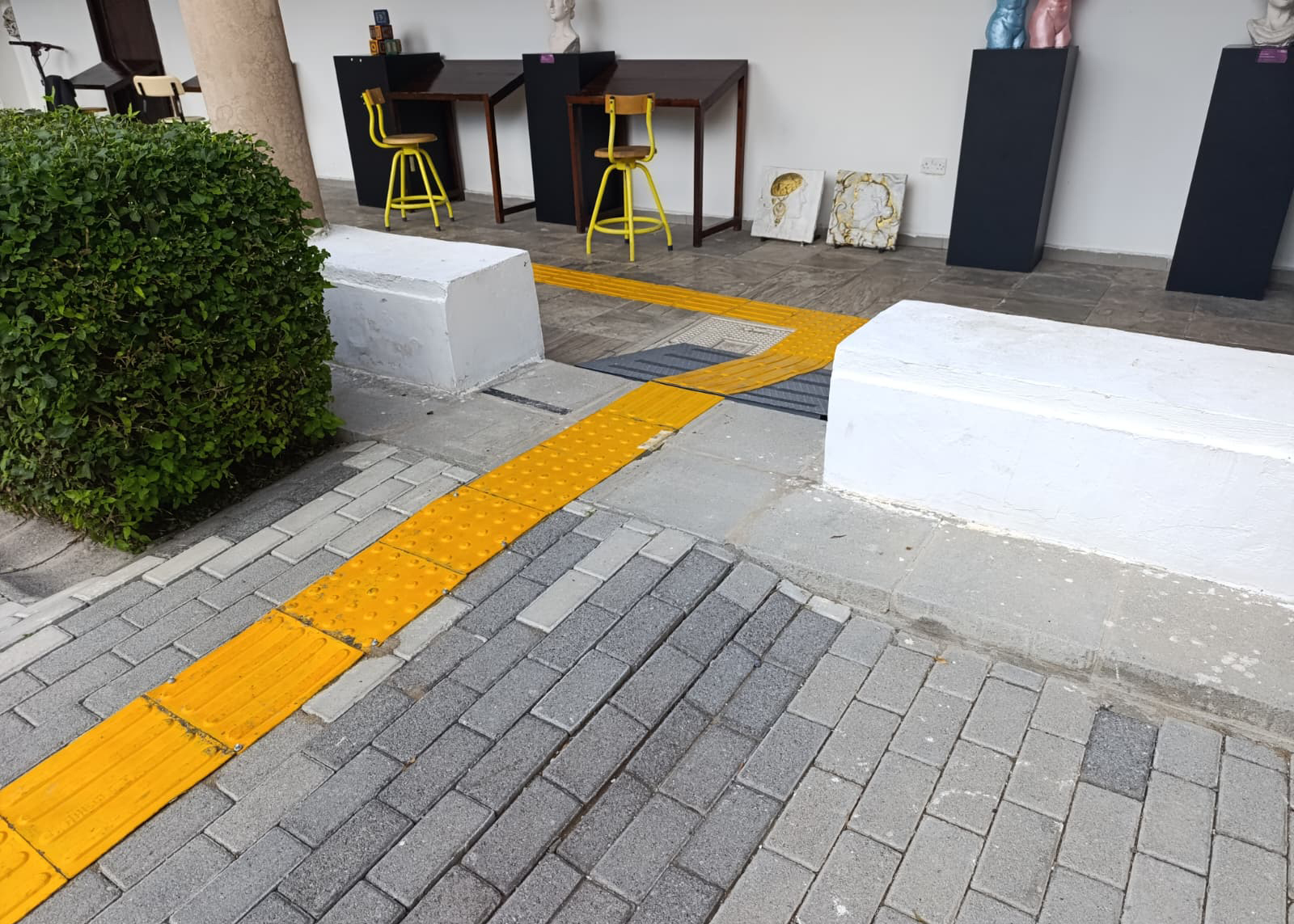
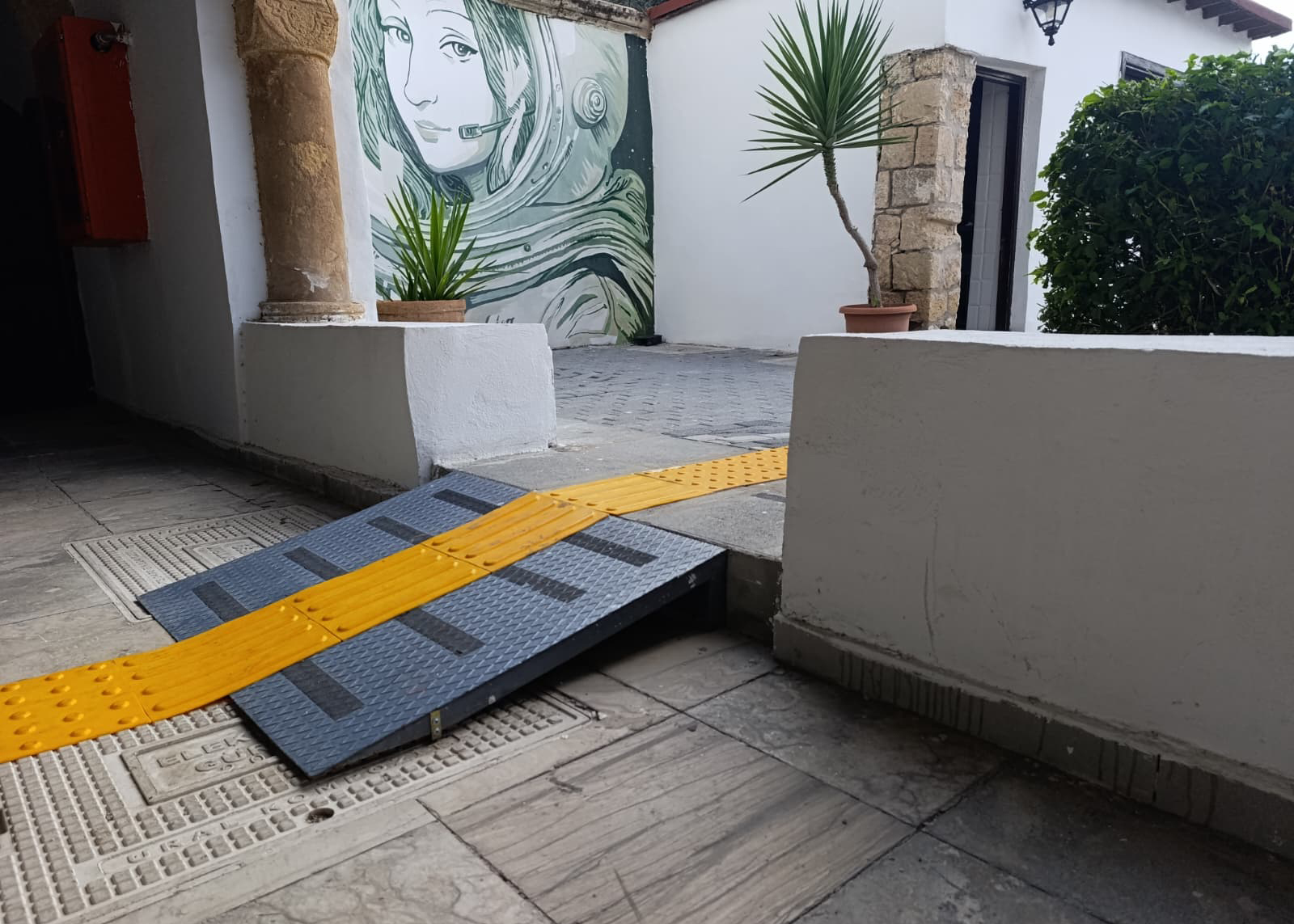
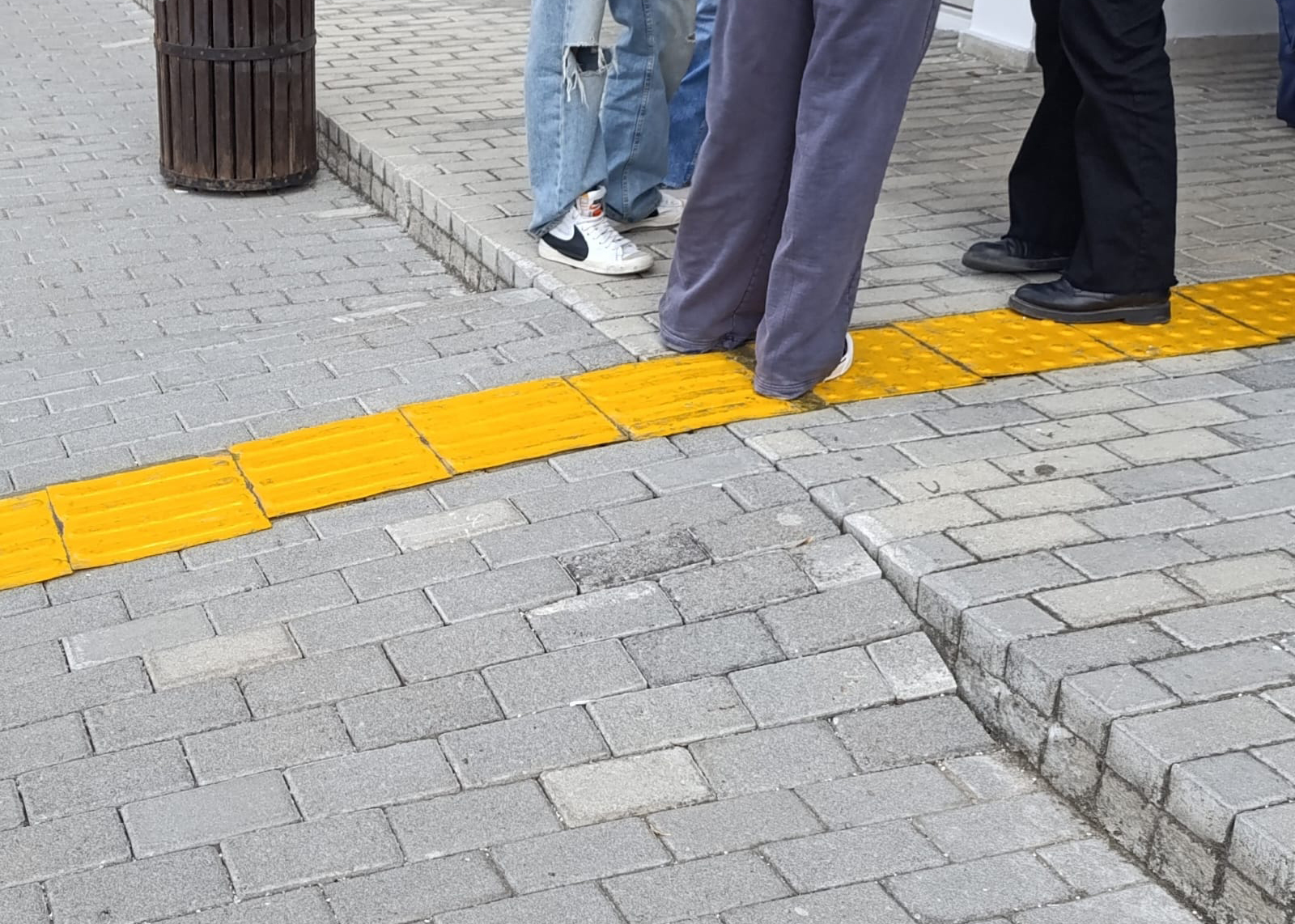
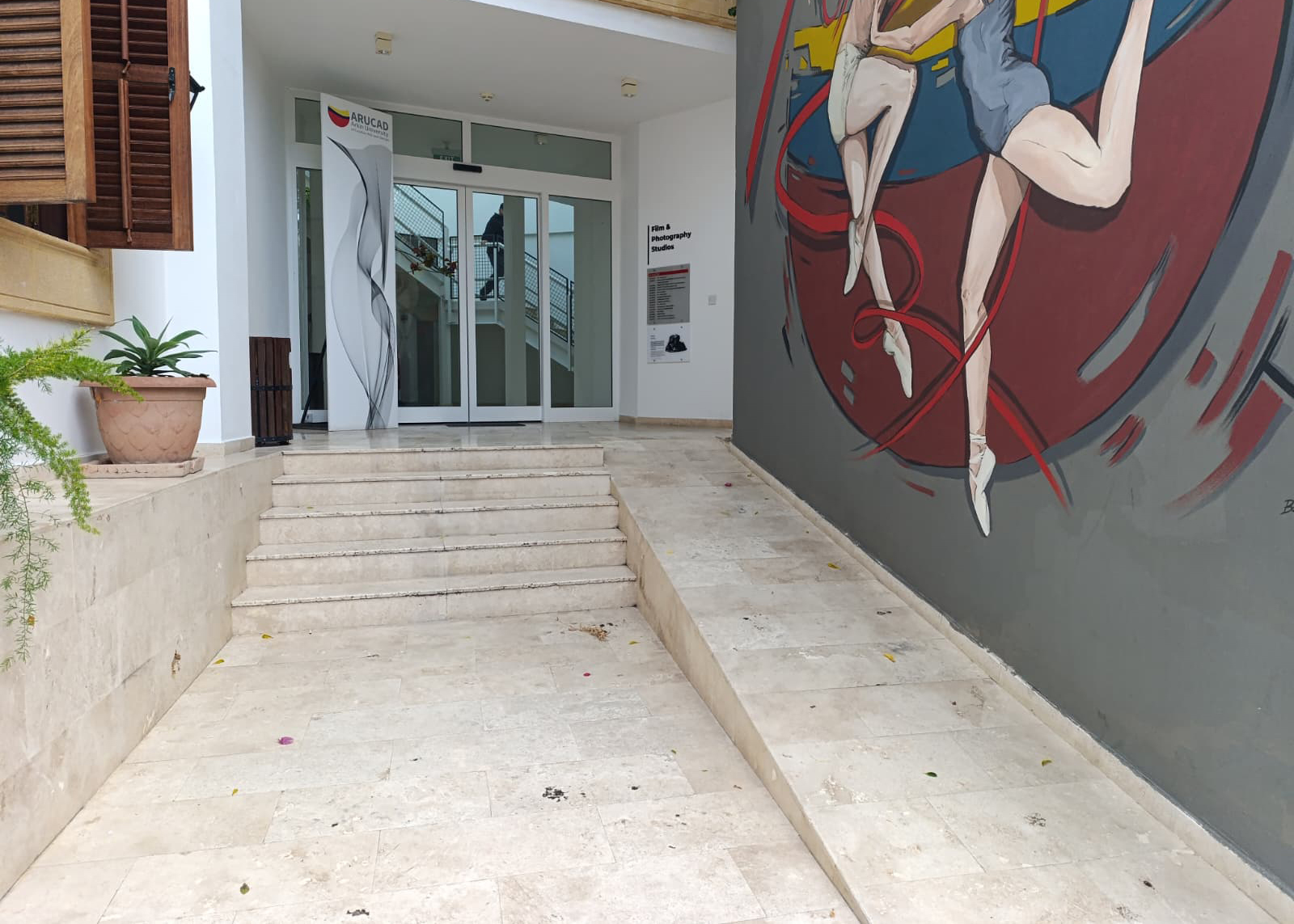
Arkin University of Creative Arts and Design (ARUCAD) supports the participation of people with disabilities in education, creative practice and campus life through accessibility provisions at its main campus and workshops building. Ramps, lifts and tactile paving for people with visual impairments accommodate a range of access needs.
Ramps at the main campus and workshops building help users navigate changes in ground level, while lifts facilitate access between floors. Tactile paving helps people with visual impairments find their way and move independently.
ARUCAD’s approach to accessibility extends beyond physical spaces to include educational processes. The University’s Regulation on the Disabled Student Advisory and Coordination Unit identifies ensuring the accessibility of campus buildings and outdoor areas for students with disabilities as one of the unit’s responsibilities. The Regulation on Educational, Instructional and Examination Measures for Students with Disabilities sets out provisions to address the needs of students with disabilities and those requiring additional support in their studies and examinations.
This approach aligns with the United Nations Sustainable Development Goals, particularly Goal 4: Quality Education, Goal 10: Reduced Inequalities and Goal 11: Sustainable Cities and Communities. Creating accessible learning environments, supporting the equal participation of people with disabilities and making shared spaces inclusive put these goals into practice within campus life.
The University also organises activities to strengthen awareness of accessibility. The “Don’t Be a Barrier, Be Aware” seminar for academic and administrative staff addressed accessibility, inclusion and communication with people with disabilities, while the “Empathy Workshop” gave students the opportunity to explore physical and spatial barriers through practical activities. These initiatives support an inclusive approach to art and design education that considers the needs of different users.