Exploring New Frontiers in Architecture: XR Technologies at ARUCAD
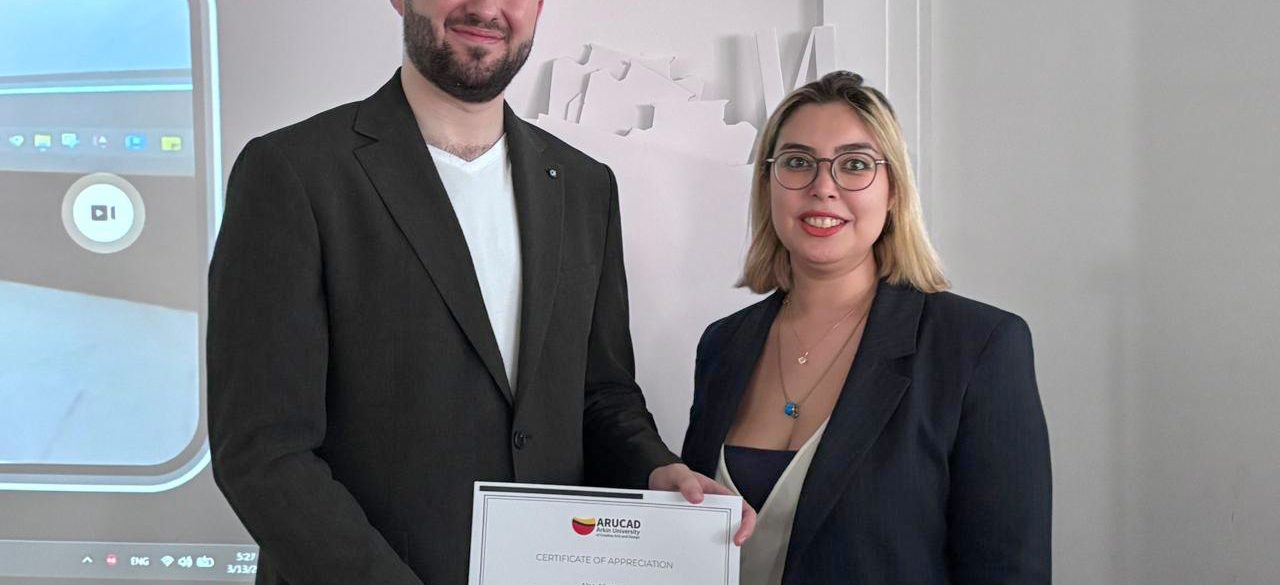
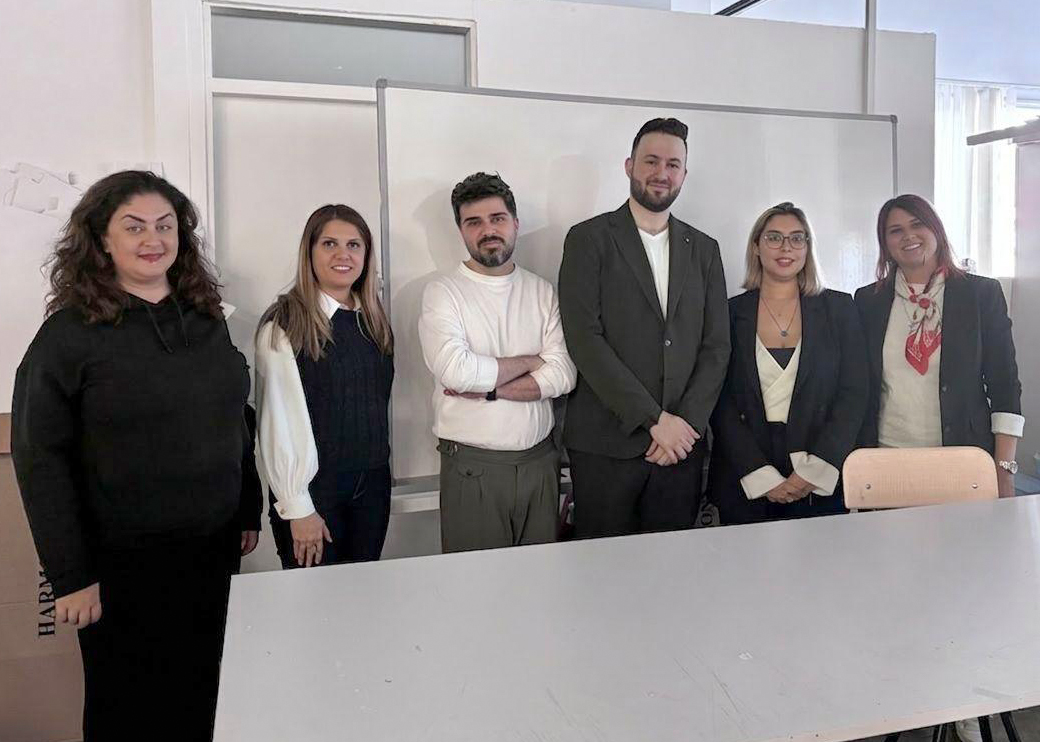
The Architecture Department at Arkin University of Creative Arts and Design hosted a workshop titled “Immersive Architecture: XR Technologies in Contemporary Design Practice” on Friday, March 13. Led by architect and designer Alaa Albarazy, the workshop focused on the growing role of Extended Reality (XR) technologies in contemporary architectural practice. The session was moderated by Asst. Prof. Dr. Nazgol Hafizi, Head of the Architecture Department at ARUCAD.
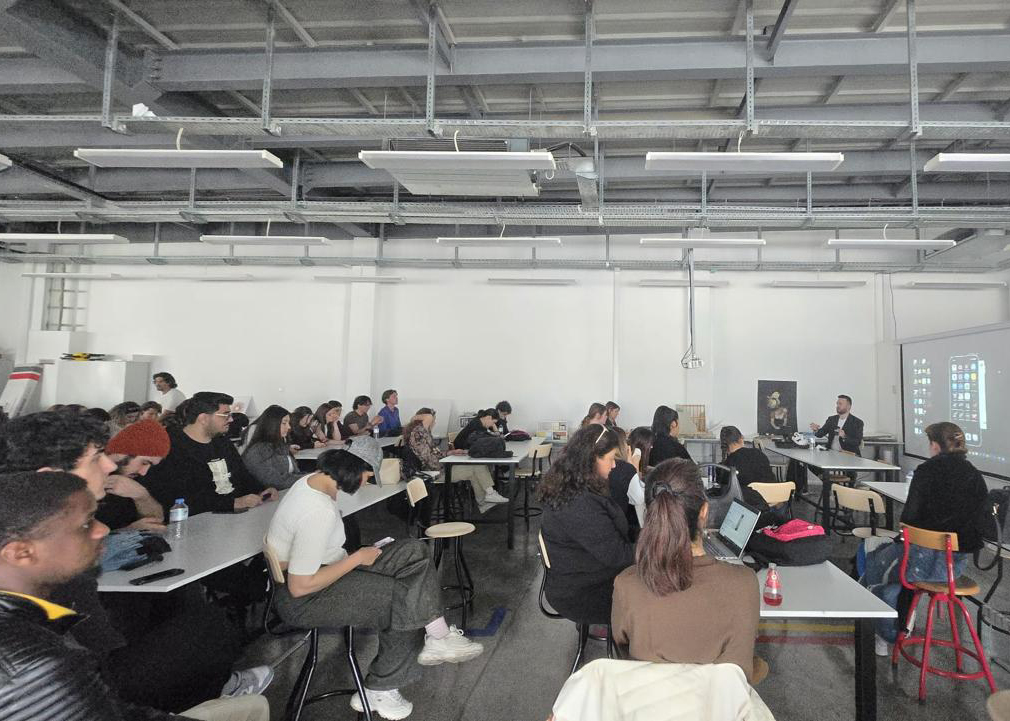
Structured in two parts, the workshop began with a lecture introducing XR technologies and their evolving role in architecture and design. Concepts such as Virtual Reality (VR), Augmented Reality (AR), and Mixed Reality (MR) were discussed in relation to their integration into design processes. In the second part, students took part in a practical demonstration and interactive discussion, gaining direct exposure to these technologies. The workshop also introduced LiDAR scanning technology, demonstrating how physical environments can be captured and transferred into digital space, and how this data can be integrated with architectural design software.
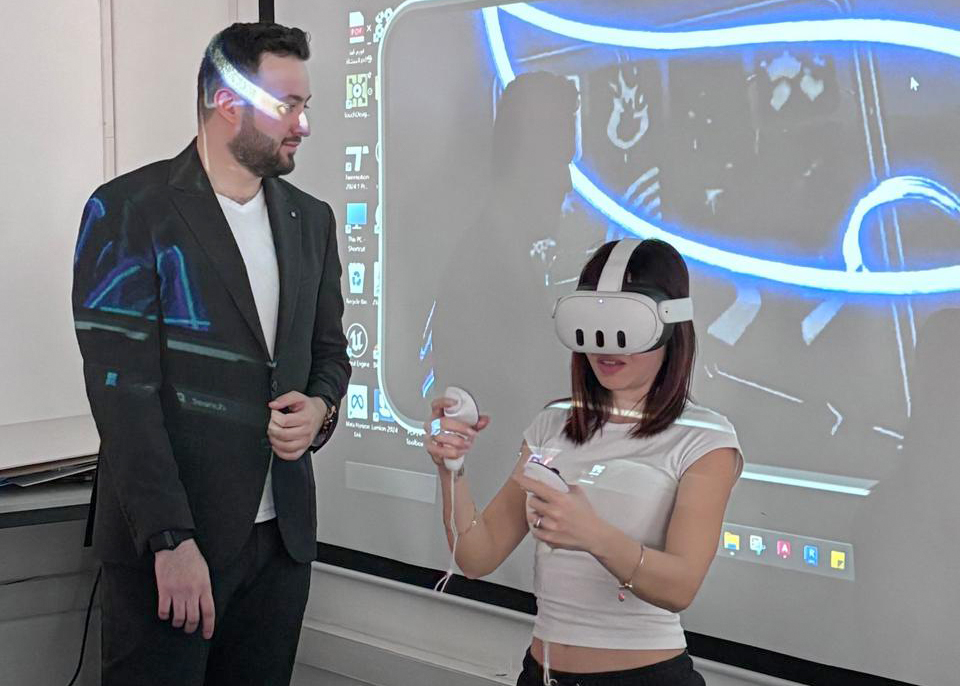
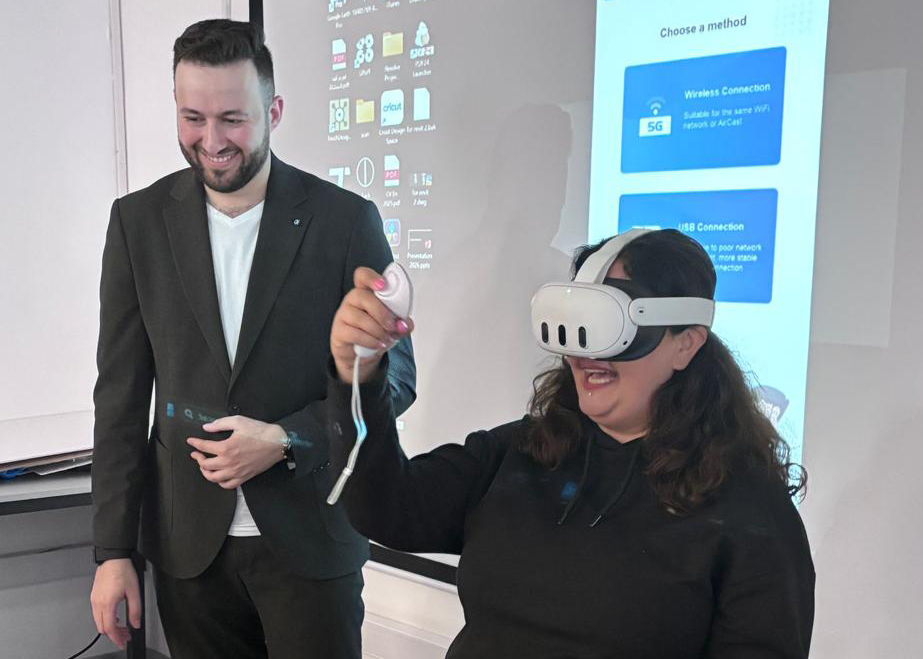
The session focused on how immersive technologies are transforming the way architects visualize, develop, and communicate spatial ideas. Through live VR demonstrations, students were able to observe how XR tools are used in professional workflows, from conceptual design to client presentations.
The workshop provided Architecture and Interior Architecture students at ARUCAD with a valuable opportunity to engage directly with advanced immersive technologies under the guidance of a practicing professional. Participants tested VR headsets, observed real-time spatial scanning processes, and joined discussions on the future of XR in the field. This hands-on learning experience helped bridge the gap between academic education and the rapidly evolving digital landscape of contemporary architectural practice.
Key highlights of the workshop included a live VR demonstration using a professional headset, an introduction to LiDAR scanning and its integration into design workflows, interactive student participation, and insights into the transformative impact of XR technologies on architectural visualization and communication.